
Last updated November 22, 2026
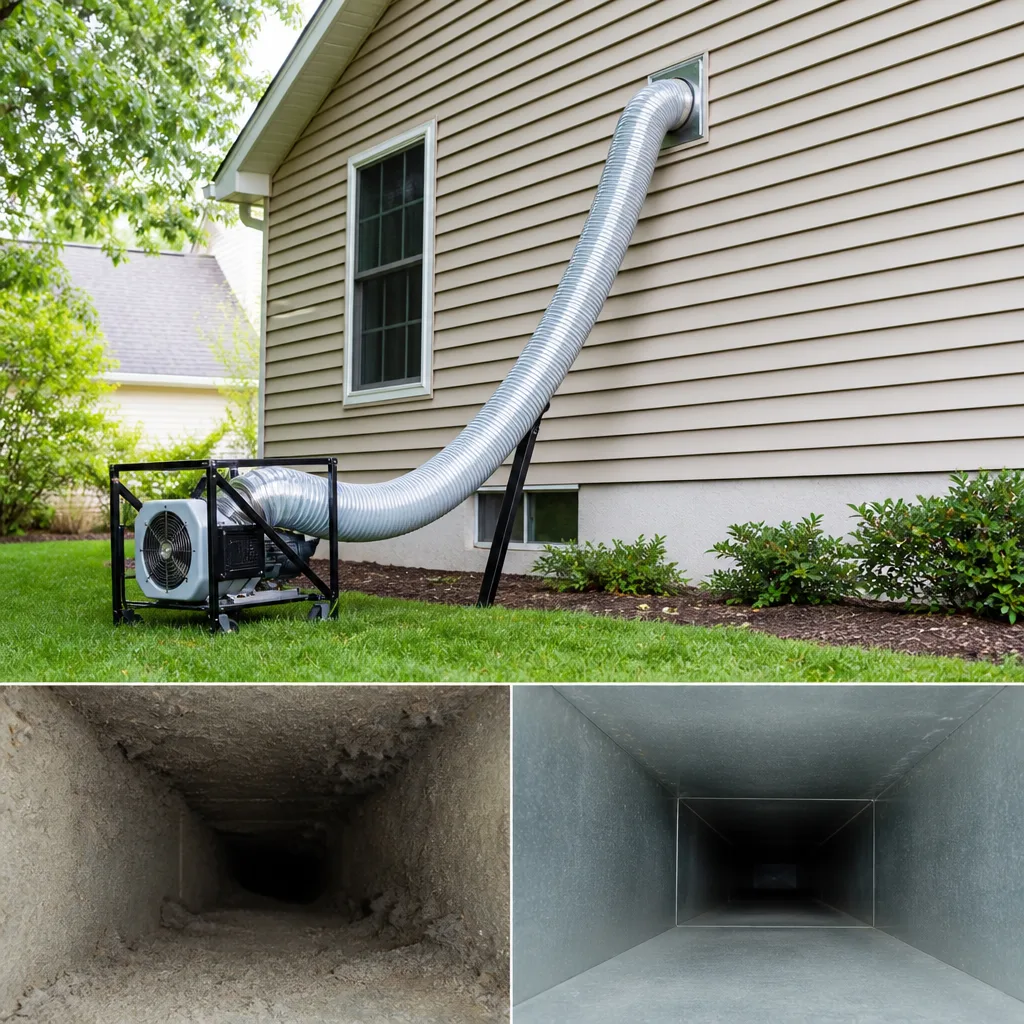 Whole-home duct cleaning
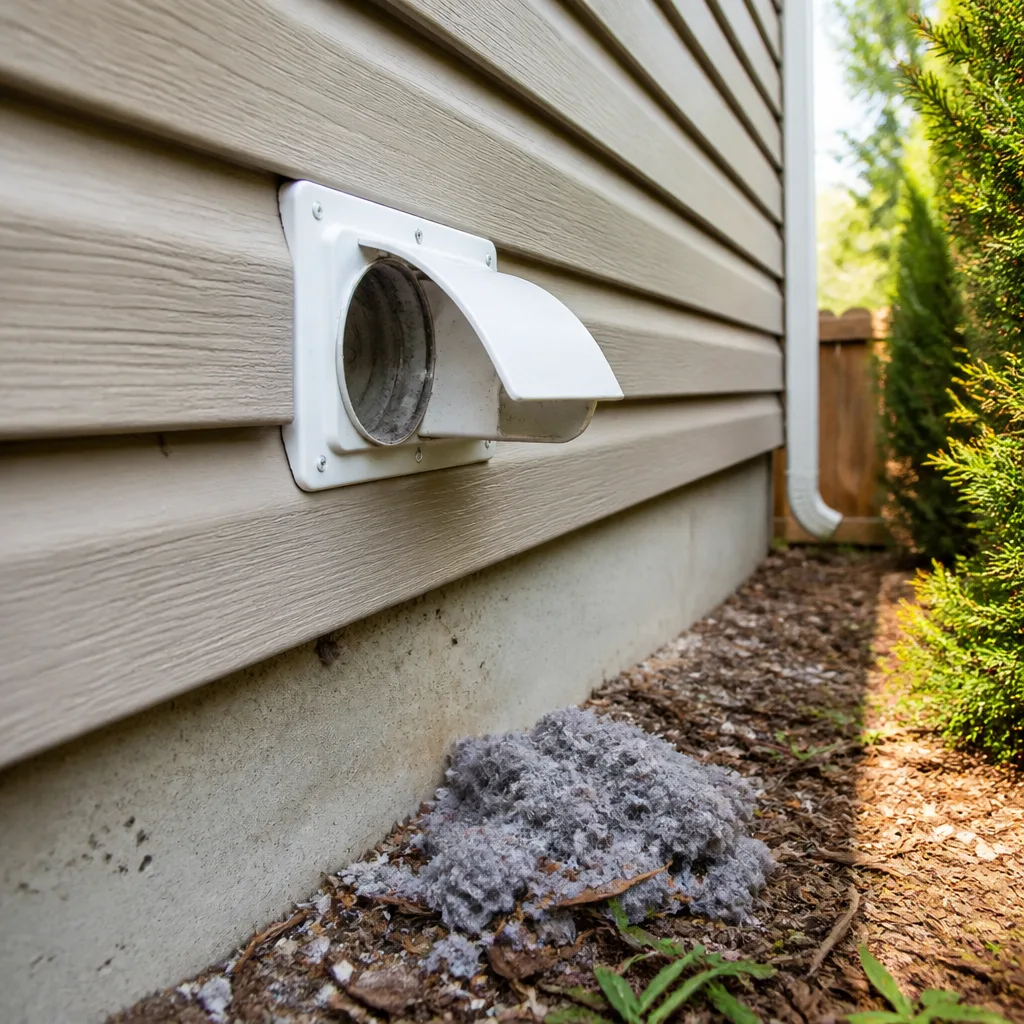 Dryer vent cleaning
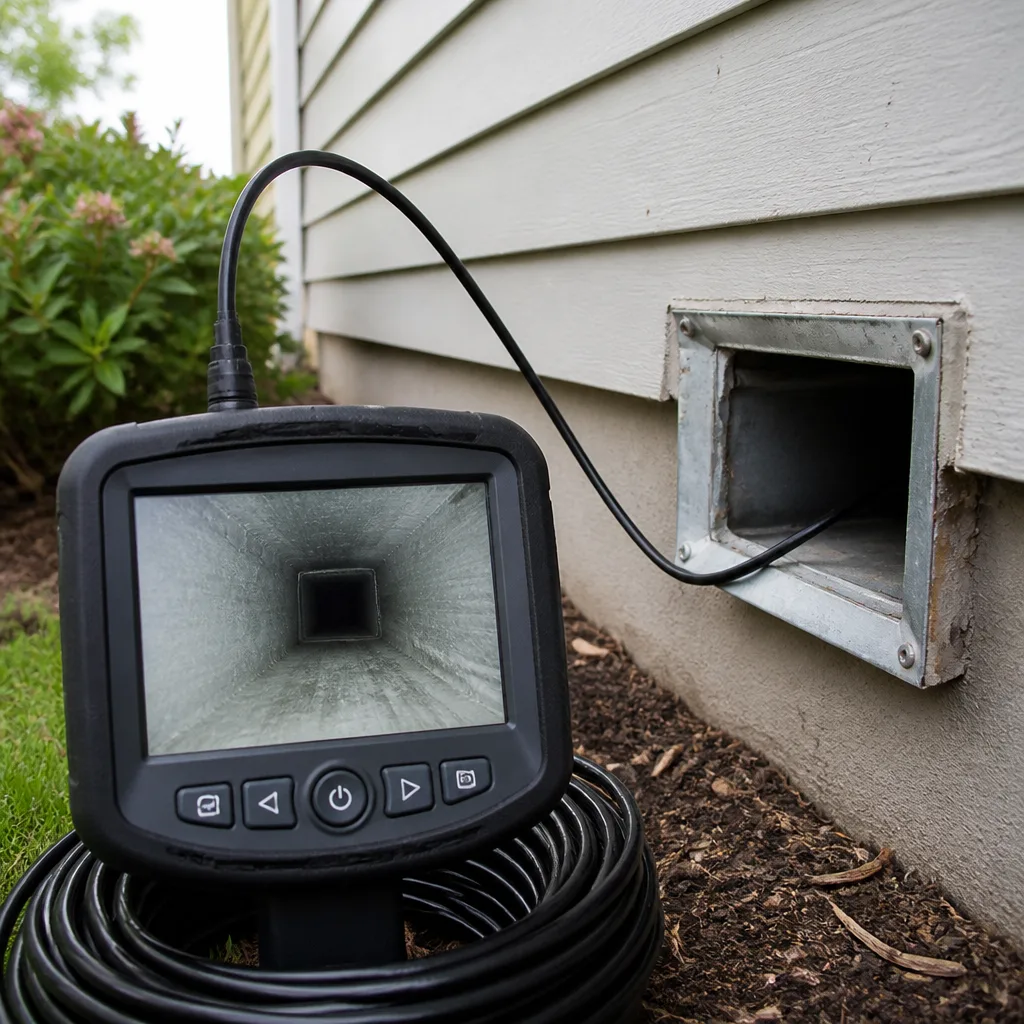 Camera inspection
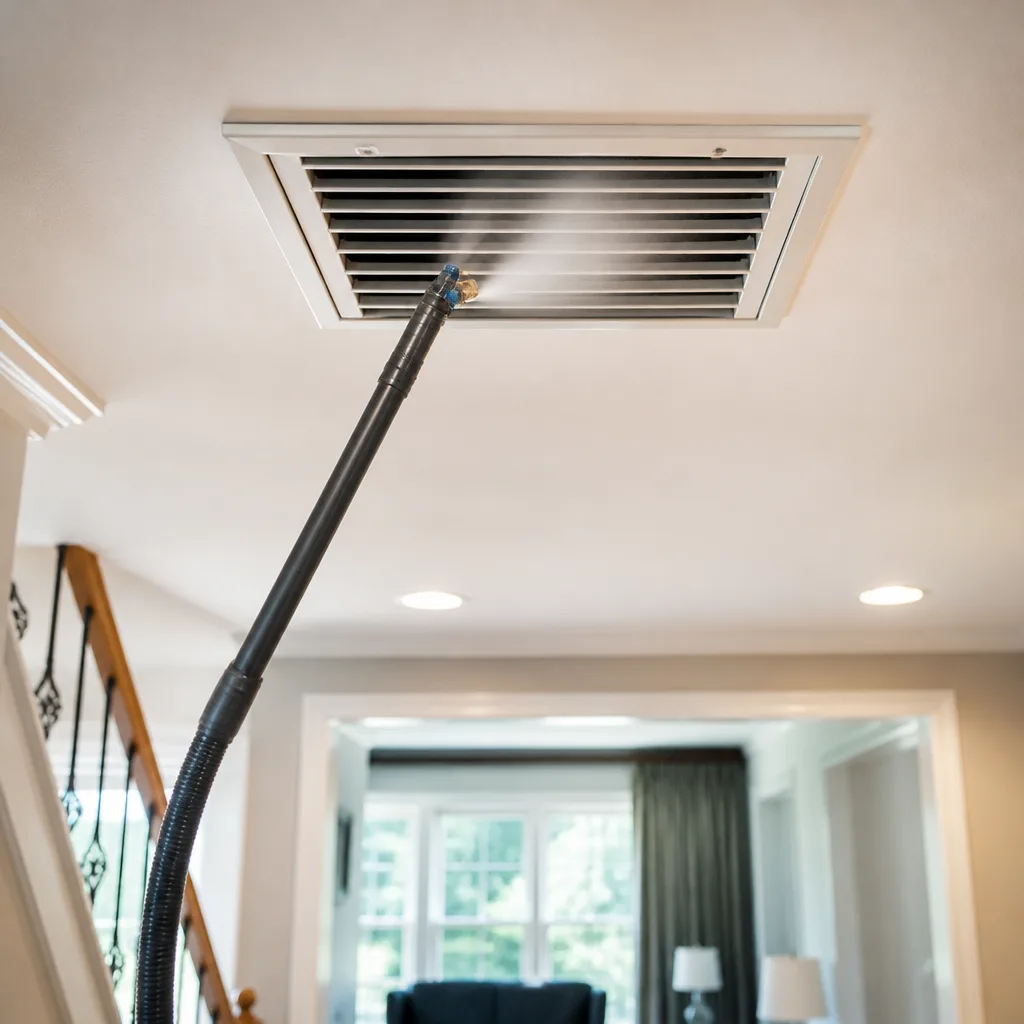 Sanitizing & deodorizing
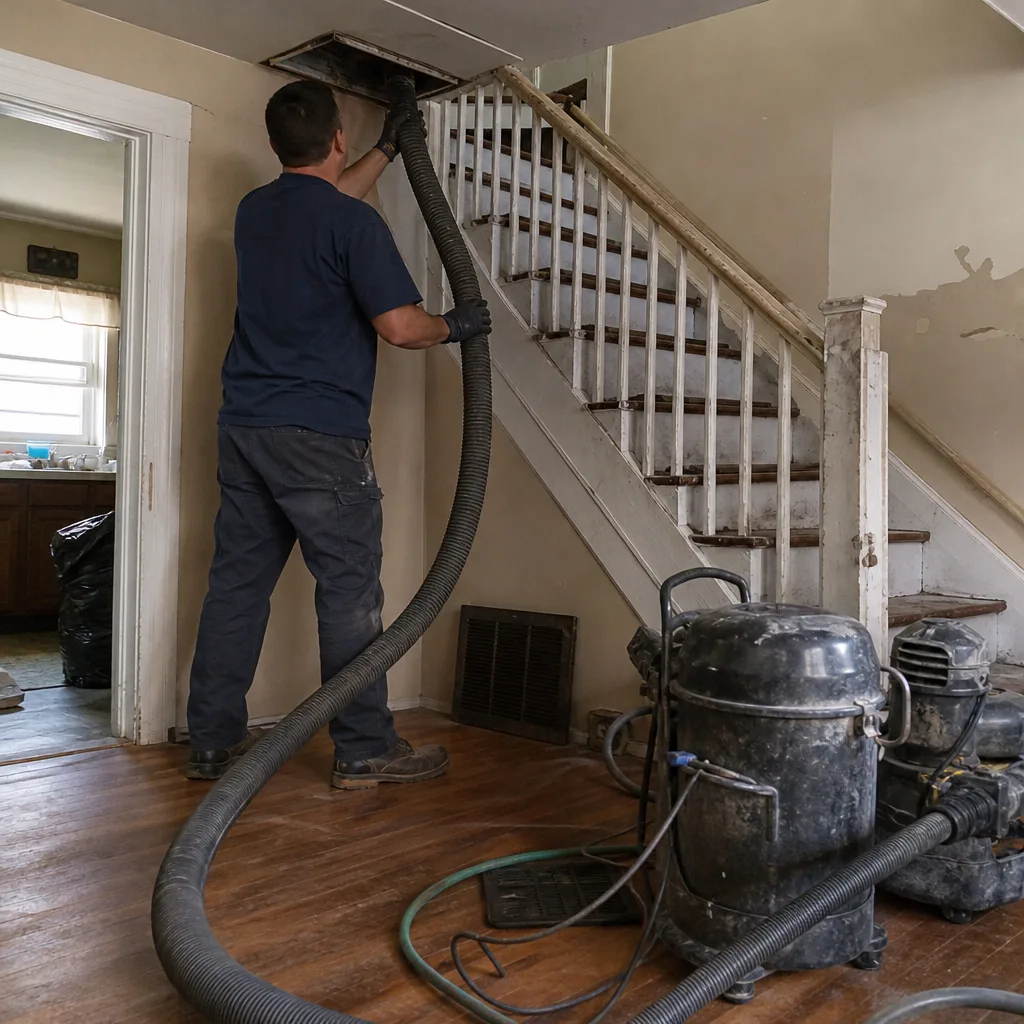
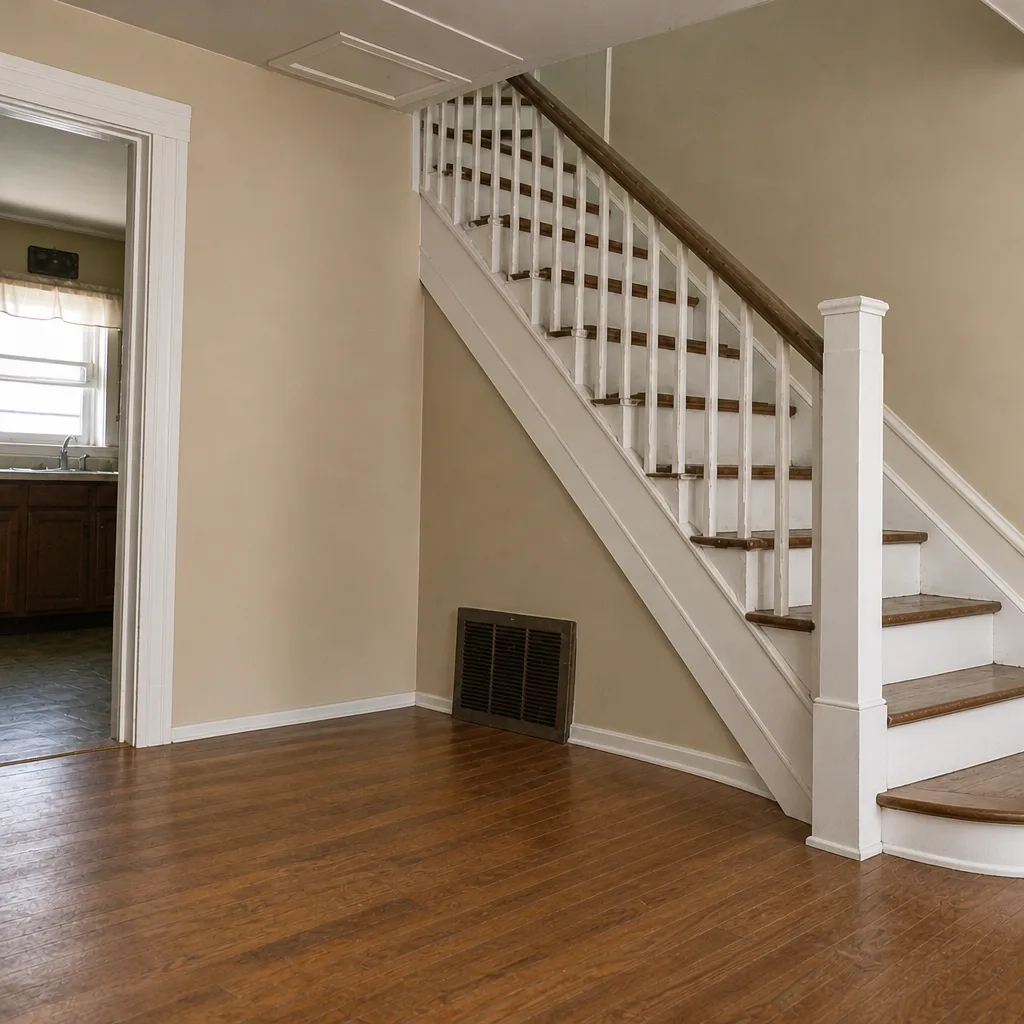
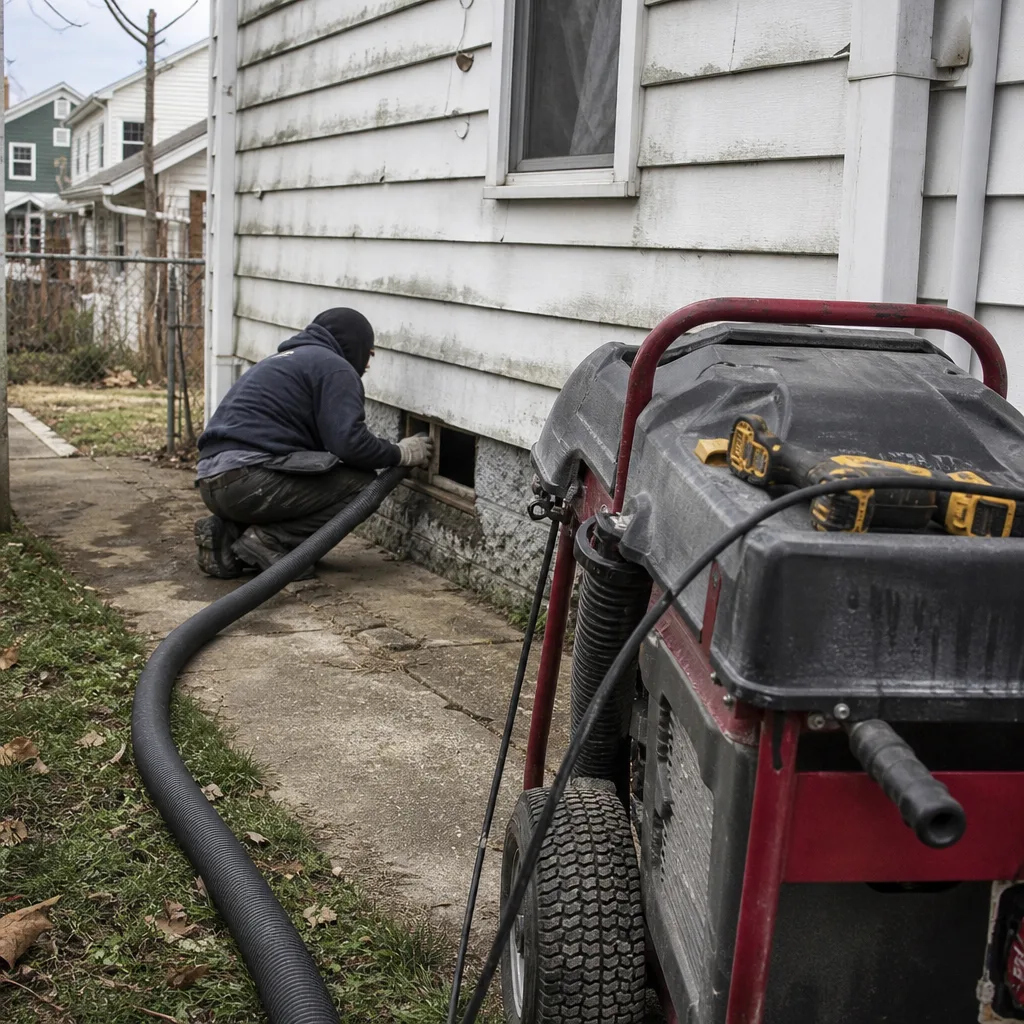
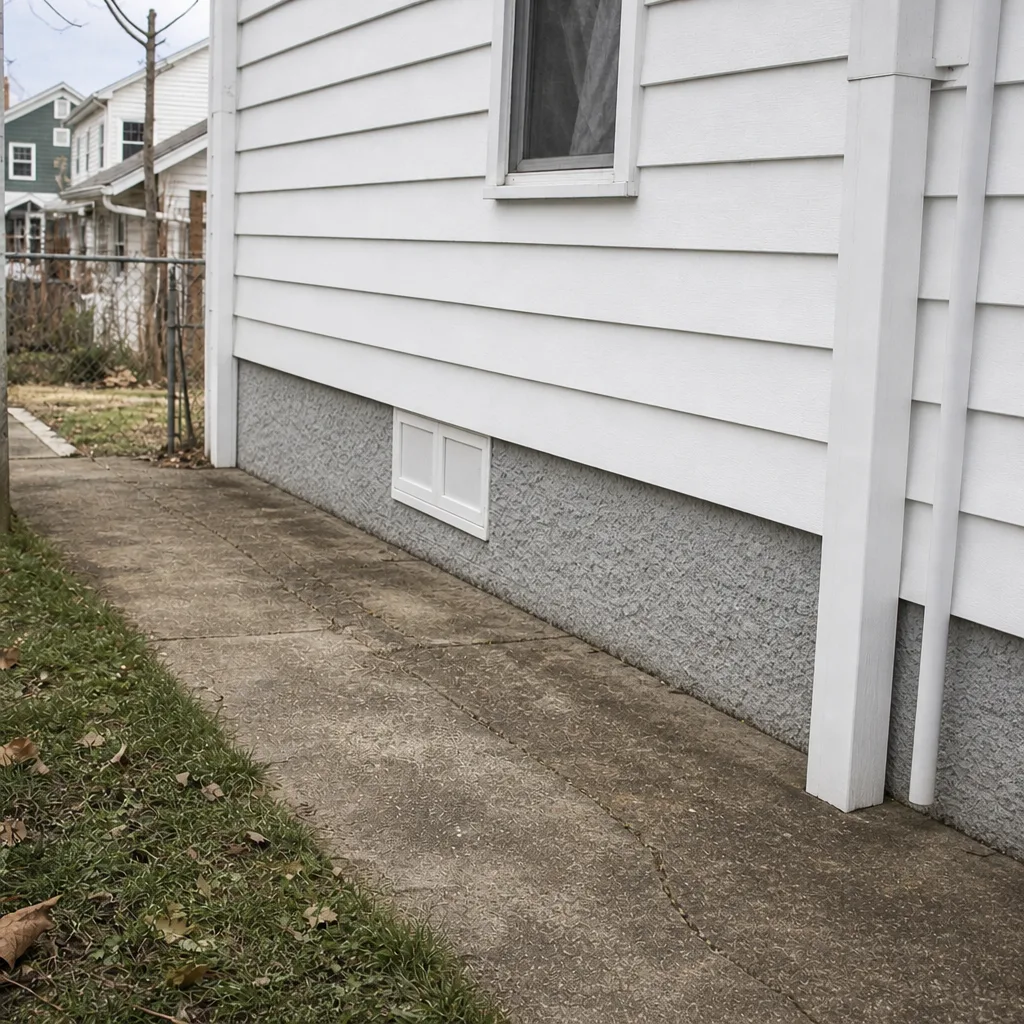
Whole-system duct and dryer vent check with before-and-after photos - you see exactly what came out of your vents
That "$99 whole-house special" is a bait ad - the real number appears once they are in your hallway, or the "clean" is a shop-vac at the register. We photograph the inside of your ducts before and after instead.
Air Duct Cleaning Permits, Codes & Inspections in Frankford, PA: What You Need to Know
Here’s the part most duct cleaning crews never bring up: if your contractor cuts out a section of ductwork, installs new access panels, or replaces a run of flex duct during what you thought was a routine cleaning, they may have just done mechanical work that needed a permit. And if nobody pulled one, the paperwork problem lands on you when you sell the house. Not them. You. That’s an uncomfortable thing to hear from the company you hired, and we’d rather you know it before the work starts. This guide walks through where the regulatory line sits for Frankford homeowners, what the Pennsylvania Uniform Construction Code actually covers, and the questions to ask so you’re never the one holding an unpermitted alteration.
Quick Answer
Cleaning air ducts in Frankford does not require a permit. Routine maintenance like brushing, vacuuming, and sanitizing existing ductwork falls outside the Pennsylvania Uniform Construction Code. What can require a permit is repair or replacement work that counts as an alteration to the mechanical system, such as cutting in new duct sections, replacing large portions of ductwork, or adding new access openings. For Frankford properties, that jurisdiction sits with Philadelphia’s Department of Licenses and Inspections. If a job stays in the maintenance lane, no permit. If it crosses into alteration, ask for the permit in writing.
Styles & brands we work with
- Whole-home duct cleaning
- Dryer vent cleaning
- Camera inspection
- Sanitizing & deodorizing
Table of Contents
- Does air duct cleaning need a permit in Pennsylvania?
- Where the UCC draws the line: maintenance vs. alteration
- What Philadelphia L&I jurisdiction means for Frankford
- When duct repair and sealing start to matter under code
- Inspections, and what a home sale actually catches
- What to ask a contractor in writing before work begins
- Why Frankford housing stock makes this a live question
- Common mistakes to avoid
Does air duct cleaning need a permit in Pennsylvania?
No. Air duct cleaning alone does not require a permit in Pennsylvania. Cleaning is maintenance. You are removing accumulated dust, debris, and contaminants from ductwork that already exists and already passed whatever inspection applied when it was installed or last altered. The Pennsylvania Uniform Construction Code, which governs building work across the state, is built around construction, alteration, and repair. Maintenance that returns a system to its working condition without changing it doesn’t trigger a permit in most municipalities.
That’s the clean version. The messy version is what happens next.
A lot of duct work sold as “cleaning” wanders into territory that isn’t cleaning at all. When a technician cuts an opening in the side of a trunk line to reach a section that’s blocked, that’s an alteration. When they remove a crushed section of galvanized duct and splice in new material, that’s an alteration. When they replace a length of disconnected flex duct that’s been dumping conditioned air into a crawl space, that’s repair work, and depending on scope it can require a permit. Each of those is legitimate work that sometimes needs doing. None of it is cleaning.
For Frankford homeowners, the practical takeaway is to separate the two in your head before anyone arrives:
- Maintenance (no permit): brushing and agitating duct interiors, negative-air extraction, sanitizing, sealing small gaps with mastic or approved sealant at accessible joints, replacing a filter.
- Alteration or repair (permit may apply): removing and replacing duct sections, cutting new access panels into ductwork, rerouting a run, changing duct sizing, replacing a substantial portion of the distribution system.
If your job stays in the first list, you’re fine. If it moves into the second, the permit question becomes real, and it’s better answered before the saw comes out. Our air duct cleaning work stays in the maintenance lane by design, and when a job needs repair beyond that, we tell you so.
Where the UCC draws the line: maintenance vs. alteration
The Pennsylvania Uniform Construction Code treats maintenance and alteration as different things, and the distinction is what decides whether a permit is needed. Maintenance keeps a system functioning as it was built. Alteration changes it. That’s the short version. The long version matters because the words sound similar to a homeowner and very different to a code official.
Under the UCC framework, work that extends, replaces, or relocates part of a mechanical system generally moves into permit territory. A few examples make it concrete:
- Cleaning existing ductwork: maintenance. No permit. This is the standard work our Air Duct Cleaning Frankford technicians perform with rotary brush systems and negative-air equipment.
- Sealing accessible joints and small gaps: maintenance in most readings, provided you aren’t cutting into the duct to reach them. Sealing is one of the cheapest air quality improvements available, and it’s covered under duct repair & sealing.
- Cutting a new access panel into a duct run: alteration. Access panels change the duct assembly. This is where permits start entering the conversation, and where a contractor who doesn’t mention it is telling you something about how they work.
- Replacing a section of ductwork: repair or alteration depending on scope. A short splice is one thing. Replacing a whole trunk line is another, and the second one usually wants a permit.
- Rerouting or resizing duct runs: alteration, full stop. This changes the mechanical system’s design.
We’re not code officials and we don’t issue rulings. What we can tell you from years of walking through Frankford basements is that the contractors who skip this conversation entirely are usually the ones who’d rather you didn’t ask. The honest answer is that maintenance doesn’t need a permit and alteration sometimes does, and a contractor should be able to say which one they’re doing.
What Philadelphia L&I jurisdiction means for Frankford
Frankford sits inside Philadelphia, which means building code enforcement here runs through the city’s Department of Licenses and Inspections rather than a separate township office. That’s a meaningful difference from the surrounding suburbs, where each borough or township handles its own permitting. In Frankford, L&I is the authority, and L&I administers the Uniform Construction Code as Philadelphia’s code official.
What that means practically:
- Permit applications for mechanical alterations go through L&I, not a neighborhood office or a county building department.
- L&I enforces the UCC as adopted in Philadelphia, which includes the mechanical code provisions governing duct systems and their installation.
- Inspection authority rests with the city. If work required a permit and an inspection, the record lives with L&I, and it follows the property.
Here’s the judgment call homeowners get wrong. A contractor telling you “you don’t need a permit for this” is not the same as the city telling you that. For straightforward cleaning, the contractor’s read is reliable and nobody needs to call anyone. For anything that changes the duct system, our advice is simple: call L&I and ask. A short phone call to the department costs you nothing, and it settles the question with the actual authority rather than with the person who stands to profit from the answer.
We bring contractor-grade equipment into Frankford homes, including Rotobrush rotary brush systems and Nikro HVAC cleaning units, and we still tell customers to verify permit questions with the city when a job crosses from cleaning into repair. Our equipment doesn’t make us a code official. Nothing does except L&I.
When duct repair and sealing start to matter under code
Sealing ductwork is the most common gray area we run into in Frankford. Sealing accessible joints with mastic or approved tape is maintenance, and it delivers real results. A significant share of the air a forced-air system moves can escape through gaps at joints, boots, and connections before it ever reaches a room, and sealing those gaps is one of the highest-return air quality and efficiency improvements available in an older Philadelphia rowhouse.
The line sits at how you reach the work.
- Sealing at accessible joints from outside the duct: maintenance. No permit. This is the bulk of what good sealing work involves.
- Cutting into ductwork to reach inaccessible joints from inside: the cut itself can be an alteration, even though the sealing afterward is maintenance. A contractor who opens a duct should be able to tell you why and whether the opening crosses the alteration threshold.
- Replacing disconnected, crushed, or collapsed duct sections: repair or alteration. This is real work that older Frankford homes often need, and the scope determines whether a permit applies.
- Replacing a whole duct run or changing its size or routing: alteration. Ask about permits directly.
What we ask customers to do is get the answer in writing. If a contractor says no permit is needed, ask them to put that in the written scope along with a description of what they’re doing. That single sentence protects you more than any verbal assurance. It’s the difference between a professional taking responsibility for their read of the code and you inheriting the consequence of it.
Our dryer vent cleaning work sits on the maintenance side of this line too, and it’s worth knowing that a clogged dryer vent is a fire hazard that gets far less attention than it should. Cleaning it never requires a permit. Replacing the vent run to code sometimes does.
Inspections, and what a home sale actually catches
Unpermitted duct work rarely causes a problem the day it’s done. It surfaces years later, during a home sale, when a buyer’s inspector walks into the basement and asks why there’s a fresh duct joint with no record of who installed it. Frankford has a lot of rowhouses and older homes that have changed hands multiple times. Duct systems in these properties often carry a patchwork of work from previous owners, and each unpermitted alteration adds to the pile.
What that means at sale time:
- The buyer’s inspector flags undocumented mechanical work. It shows up in a report, and the report becomes a negotiating chip.
- The seller has to prove the work was done to code, or redo it. Both paths cost money. Neither is cheap.
- L&I can require permits and inspections after the fact. Pulling a permit for already-completed work means opening it up for inspection, and possibly correcting anything that doesn’t hold up.
- Timing shifts against the seller. Closing deadlines don’t care about permit backlogs.
The reason we’re blunt about this is that Frankford homeowners are the ones who bear the risk. A contractor who skips a permit on a duct replacement takes the payment and moves on. The property record stays in your name. Our technicians have up to 10 years of experience and have walked through enough Frankford basements to know what unpermitted work looks like from ten feet away, and the pattern is consistent: it’s always easier to sort out before the work is done.
What to ask a contractor in writing before work begins
Get these answers in the written estimate or scope before anyone touches your ductwork. Five minutes of questions now can save you a headache at closing.
- What exactly are you doing? Cleaning is one thing. Repair, replacement, access-panel cutting, or rerouting are another. Make them name it.
- Is any part of this an alteration under the UCC, and if so, does it require a permit? Ask directly. A professional answers without squirming.
- Who pulls the permit if one is needed? The responsible contractor pulls the permit under their own name. If they ask you to pull it, that’s a warning sign.
- What equipment are you using? Rotary brush systems, negative-air machines, and contractor-grade suction are all verifiable. A shop vac isn’t duct cleaning.
- What’s in the written scope? The scope should describe the work, note any repair beyond cleaning, and state the permit position in writing.
- How will I know it was done? Before-and-after photos of the ductwork are standard on a real job. Ask for them.
Our estimate documents all of this. One flat price per system, agreed before work starts, and a written scope that spells out what’s included. If a job moves beyond cleaning, we list it separately so you decide whether to proceed. Our duct repair & sealing work is quoted the same way, with the permit question answered in writing rather than left to assumption.
Why Frankford housing stock makes this a live question
Frankford’s housing stock tends to be older, and older homes have duct systems that have been modified more. Philadelphia rowhouses in Frankford often have ductwork that was added, extended, or reassembled through several decades of improvements, and each round of work leaves traces. Some of it was permitted. A lot of it wasn’t.
That history matters in two ways. First, it means an inspector who sees fresh-looking duct work in an older home is going to ask questions. Second, it means the duct system you’re cleaning may already contain an undocumented alteration from years before you owned the place. If a technician finds something confusing, it’s worth having a plumbing and heating contractor or L&I help you understand what’s there. Cleaning it changes nothing about its permit status. The record question stays open.
What we can tell you is that our equipment is built to handle what older duct systems actually look like. We use Abatement Technologies negative-air machines to hold contaminants under control during the job, which matters more in older Frankford homes where dust loads are heavier. Our work stays on the maintenance side of the code line, and when a duct system’s condition calls for repair work, we tell you what we found and let you decide how to proceed.
Common Mistakes to Avoid
- Treating the contractor’s permit claim as the final answer. Contractors aren’t code officials. If they say no permit is needed for work that changes the duct system, verify with L&I. A phone call settles it.
- Not asking for the scope in writing. Verbal assurances don’t survive a home inspection. Get a written description of the work that includes any permit or code position, signed by the contractor.
- Assuming every duct cleaning quote includes the same work. A cheap quote is often a surface pass. Ask what’s actually being cleaned and what equipment is used. Real work involves rotary brush systems and negative-air containment, not a shop vac.
- Skipping the inspection because the work “looks done.” Ductwork is behind walls. If any portion of the job required an inspection, ask to see the inspection record. If the contractor can’t point to one, ask why.
- Letting a contractor sell you a permit bypass as a cost saving. No permit means no inspection, and no record. The eventual cost of sorting it out at sale time exceeds whatever the permit costs today.
- Trusting a verbal “it was sealed” without photos. Sealing work happens in places you’ll never see again. Before-and-after photos are how you verify it in a new Frankford home or one that’s going on the market.
- Ignoring dryer vents while thinking about duct permits. A clogged dryer vent doesn’t need a permit to be dangerous. If you’re having ductwork cleaned in Frankford, have the dryer vent checked at the same time.
See the difference
 Before
 After
 Before
 After
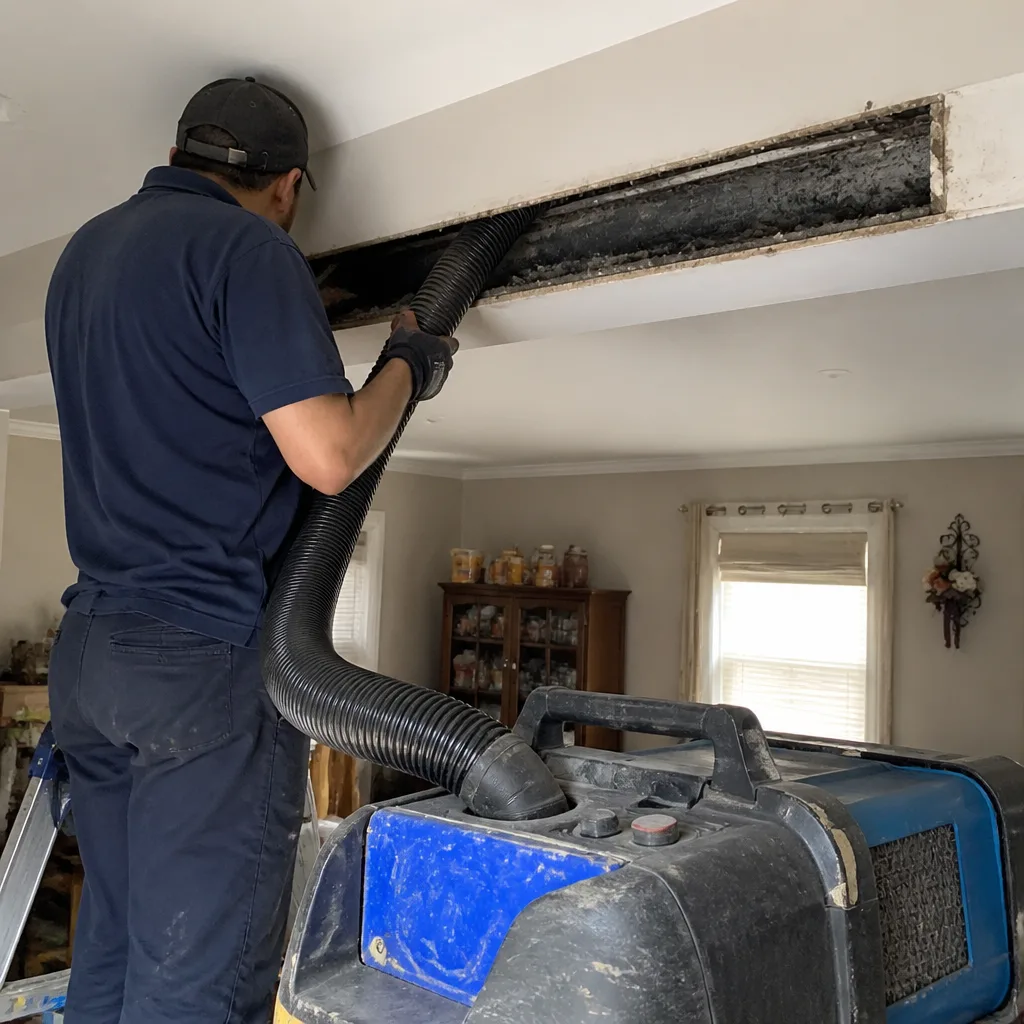 Before
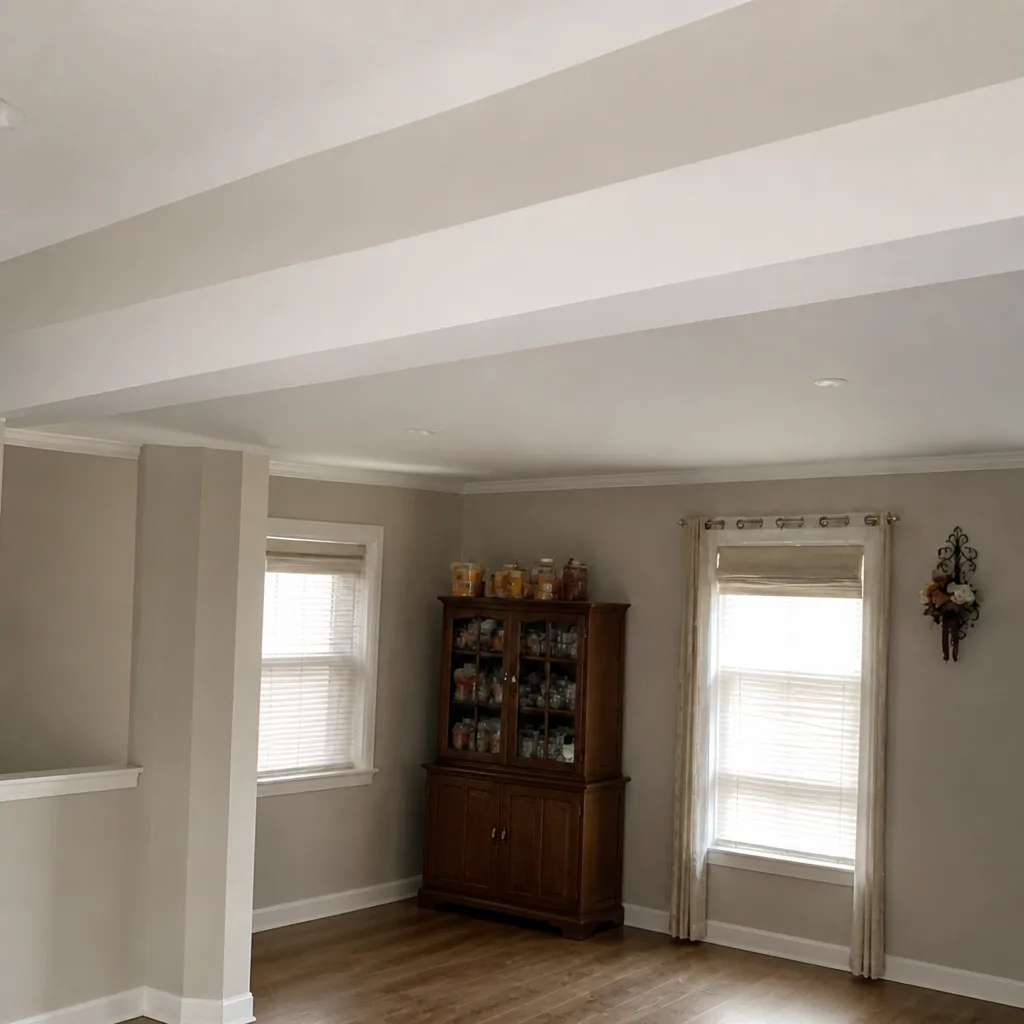 After
When to Call a Professional
Call a professional if a contractor has told you duct repair or replacement is needed and hasn’t said anything about permits. Call if you’re buying or selling a Frankford home and the mechanical system’s history is unclear. Call if you’re seeing visible dust near return vents or feeling dust accumulate faster than it used to. Call if a dryer vent hasn’t been cleaned in years. Call if the last duct cleaning you paid for involved nothing but a handheld vacuum.
Air Duct Cleaning Frankford offers free estimates in Frankford. Call (866) 690-7933. We’ll inspect what’s there, tell you what the job involves, and let you know whether it’s cleaning or something more. If it’s more, we’ll tell you plainly. Our technicians have up to 10 years of experience, and we bring Rotobrush and Nikro equipment to every job. We answer 24/7. Fast dispatch from 7am to 7pm, Sunday through Friday.
Frequently Asked Questions
No. Air duct cleaning is maintenance and doesn’t require a permit in Frankford or anywhere else in Pennsylvania. Permits enter the conversation only if the work involves altering or replacing part of the duct system, which is a different category of work. Call (866) 690-7933 for an exact quote on cleaning alone. Estimates are free.
Sometimes. Minor repairs to restore a damaged duct section may not trigger a permit, while replacing a whole run or rerouting ductwork typically does. Philadelphia L&I administers the Uniform Construction Code for Frankford properties. Ask your contractor to state the permit position in writing, and confirm directly with L&I if the answer is unclear.
Nothing immediately. The problem surfaces at sale time, when a buyer’s inspector flags unpermitted mechanical work and the seller has to prove it was done to code or redo it. L&I can also require permits and inspections after the fact. Sorting it out before a sale is always more straightforward than after. Call (866) 690-7933 to discuss what’s in your system.
Look for access panels that don’t match the rest of the duct system, spliced sections with mismatched materials, freshly crimped joints in older homes, and disconnected flex duct. None of these prove unpermitted work, but they’re the things an inspector will notice. A professional inspection can tell you what you’re looking at. Call (866) 690-7933 to schedule one.
Cleaning removes debris from ductwork that already exists. Alteration changes the duct system itself, such as cutting new access panels, replacing sections, rerouting runs, or changing duct size. Cleaning needs no permit. Alteration sometimes does. The distinction matters because contractors sometimes blur the two to avoid the permit conversation. Call (866) 690-7933 with questions about your specific job.
No. Cleaning a dryer vent is maintenance and doesn’t require a permit. Replacing the vent run itself to meet code sometimes does, which is a different job. A clogged vent is a fire hazard regardless of permitting, so keep it clean even if you don’t need paperwork to do it. Call (866) 690-7933 to schedule.
The Bottom Line
Cleaning air ducts in Frankford doesn’t need a permit. Replacing, rerouting, or cutting into ductwork might. The line between the two is what separates a job that’s just maintenance from one that needs L&I involvement, and the responsible contractor is the one who can tell you which side you’re on before the work starts. Get the permit position in writing. Ask for photos. Call L&I if a contractor’s answer doesn’t hold up. None of this adds difficulty to getting your ducts cleaned, and it does protect you when the house changes hands. That’s a low cost for keeping the record clean.
Written by the team at Air Duct Cleaning Frankford.