
Last updated November 22, 2026
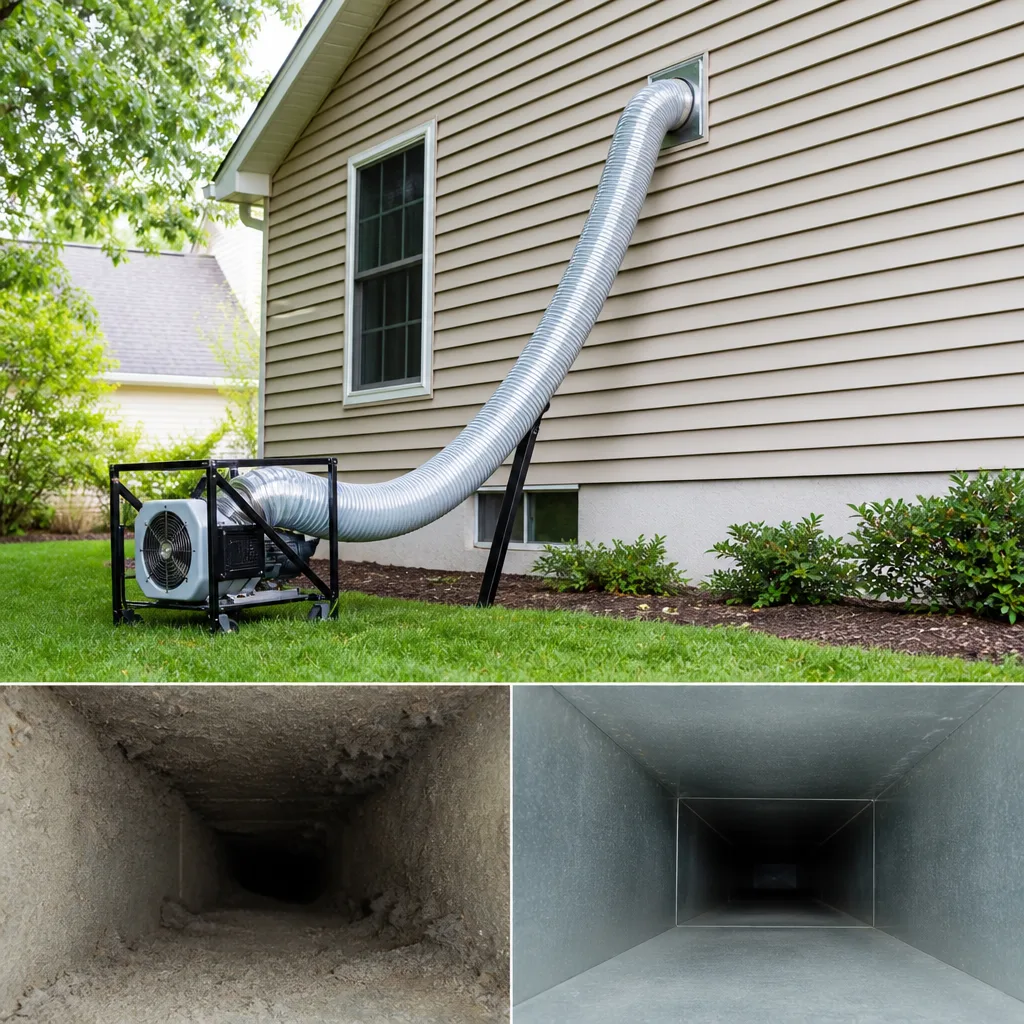 Whole-home duct cleaning
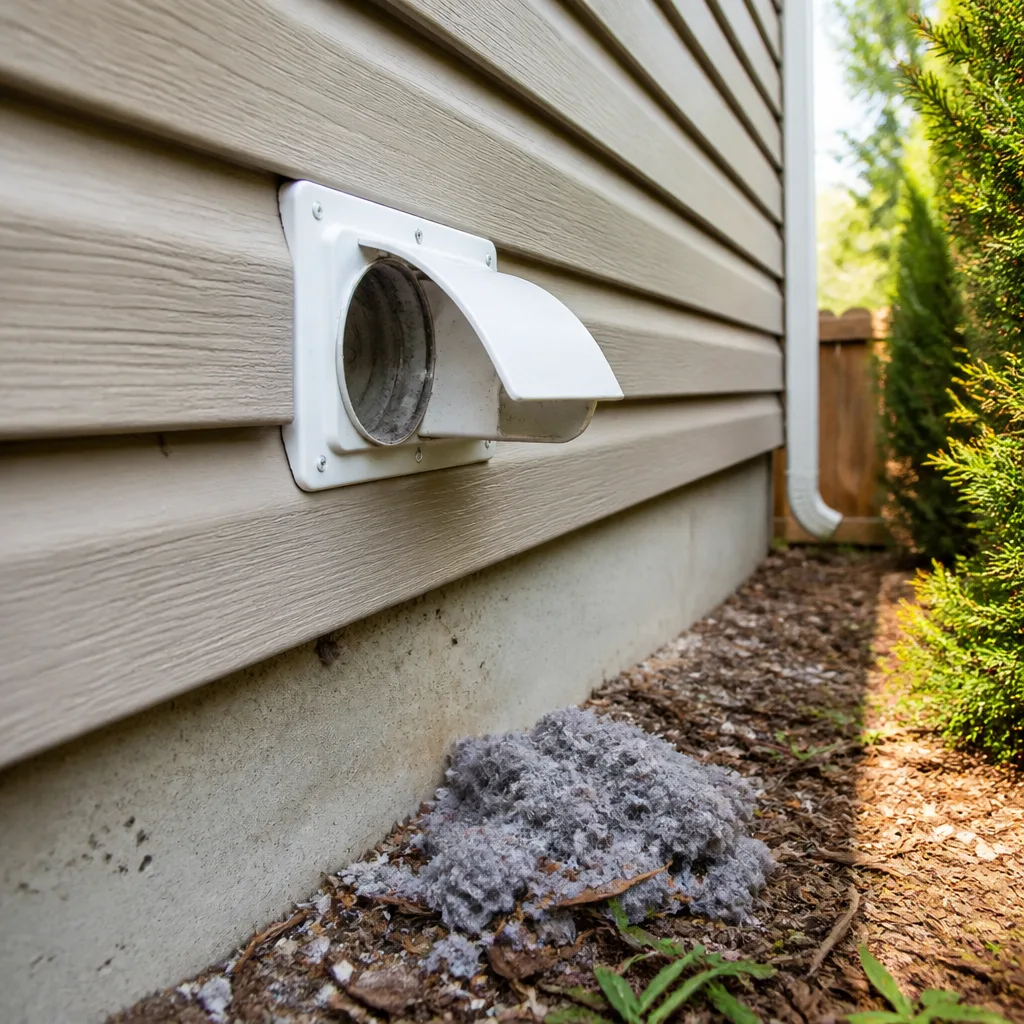 Dryer vent cleaning
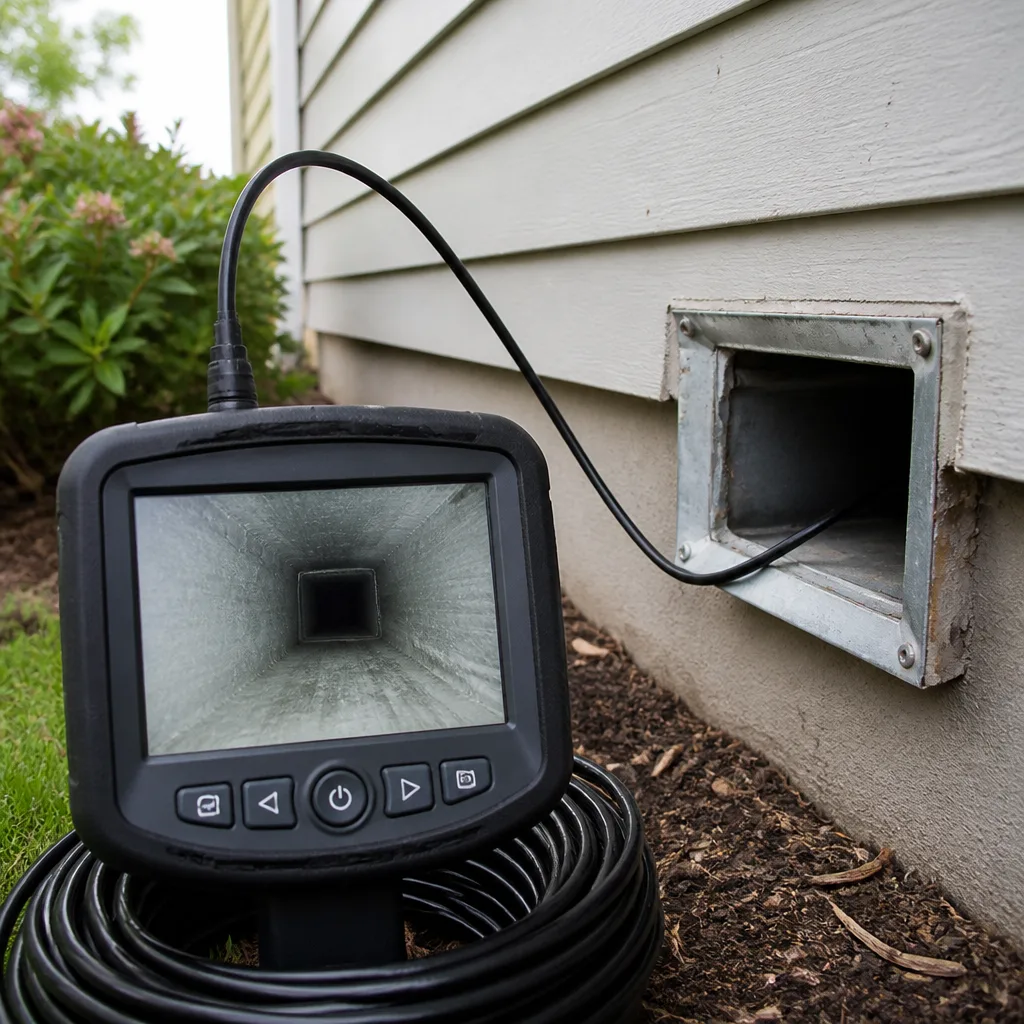 Camera inspection
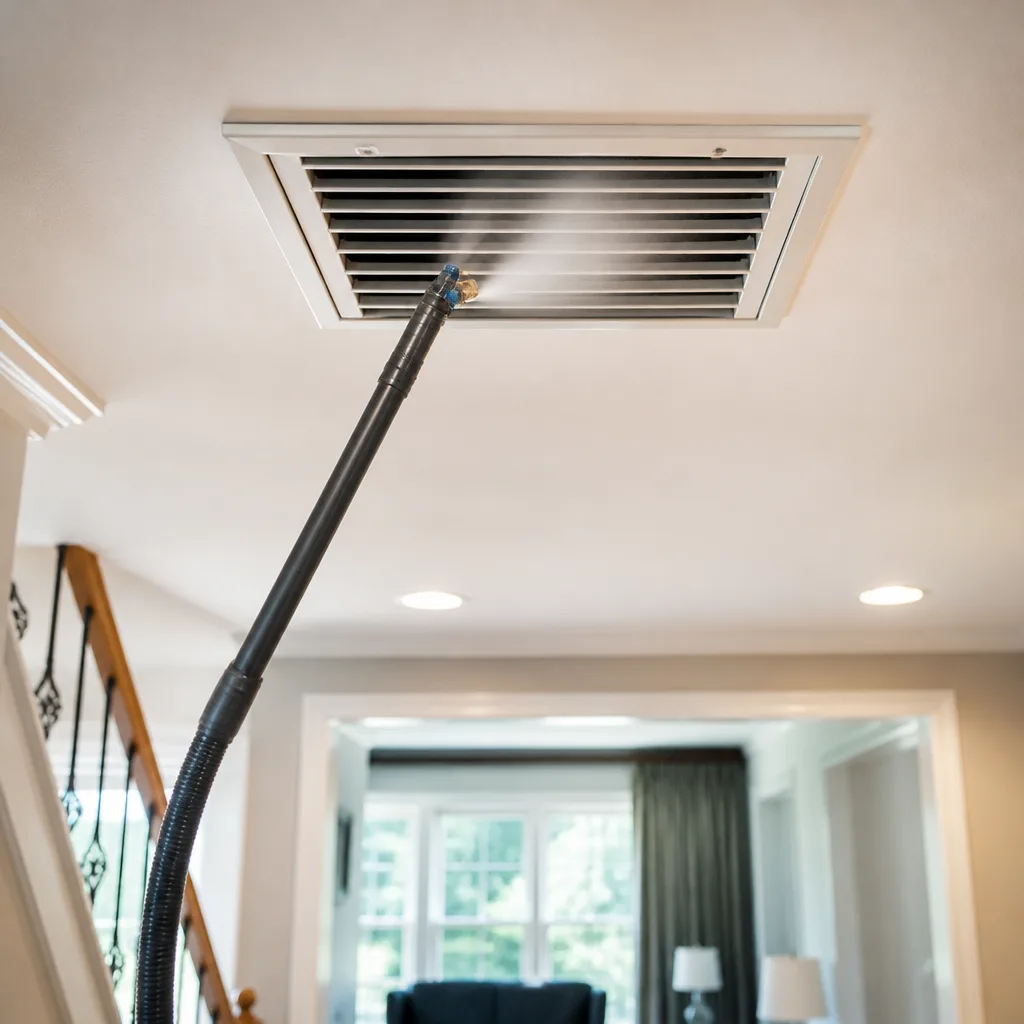 Sanitizing & deodorizing
Whole-system duct and dryer vent check with before-and-after photos - you see exactly what came out of your vents
That "$99 whole-house special" is a bait ad - the real number appears once they are in your hallway, or the "clean" is a shop-vac at the register. We photograph the inside of your ducts before and after instead.
The Complete Guide to Air Duct Cleaning in Frankford
Most people assume duct cleaning is a maintenance item, something to pencil in every year or two like a furnace filter swap. It isn’t. The EPA doesn’t recommend routine duct cleaning on a fixed schedule, which means any company selling you an automatic annual service is either misinformed or overselling. What actually matters is whether your system has a documented problem worth addressing. This guide walks through what a legitimate full-system clean looks like from pre-inspection diagnostics to post-job airflow verification, what Frankford’s older row homes and mixed HVAC vintages demand of the work, and how to tell a real clean from a surface pass. You’ll finish knowing exactly what to ask for before anyone opens a return grille.
Quick Answer
Air duct cleaning in Frankford is worth doing when an inspection finds visible debris buildup, microbial growth, recent renovation dust, or a system that’s never had a deep clean, not on a calendar schedule. A proper job uses negative-pressure containment and contact vacuuming with contractor-grade equipment, then gets verified with airflow and static pressure readings before the technician packs up. If a quote skips the inspection or the post-clean verification, it isn’t a full-system clean.
Styles & brands we work with
- Whole-home duct cleaning
- Dryer vent cleaning
- Camera inspection
- Sanitizing & deodorizing
Table of Contents
- Why Frankford Homeowners Don’t Need a Cleaning Schedule
- What Full-System Cleaning Actually Means
- How Frankford’s Housing Stock Changes the Job
- What a Pre-Clean Inspection Should Document
- Why Leakage Testing Belongs Before Cleaning
- The Cleaning Process, Step by Step
- Post-Clean Benchmarks: What Good Looks Like
- Equipment: What Separates Pro Work from Cheap Work
Why Frankford Homeowners Don’t Need a Cleaning Schedule
The idea that ducts should be cleaned every year has no basis in the federal guidance most people assume backs it. The evidence-based position is that cleaning is warranted when there’s a specific reason: visible debris, microbial contamination, pest activity, water damage, recent renovation, or a system with a documented airflow problem. Absent one of those, a clean is a cost with no measurable return. In Frankford, where a lot of rowhouses have been through multiple HVAC replacements over the decades, the reasons tend to show up in a different shape than in new construction. A duct run added during a 1990s furnace swap, then left connected to a 2000s air handler, then tied into a heat pump retrofit, accumulates mismatched debris profiles. You get fine construction grit in one section and degraded interior liner material in another. That’s not a schedule question. It’s an audit question, and the audit tells you which sections need attention and which are fine.
What Full-System Cleaning Actually Means
A full-system clean means the entire air path gets treated together: supply trunks, branch runs, return ducts, the air handler cabinet, the blower compartment, the evaporator coil face, and any accessible plenum transitions. A “blow and go” pass, by contrast, hits visible registers and whatever the technician can reach without setup, usually with a shop vacuum or a truck-mounted unit hooked up without containment. The difference isn’t marketing. It’s physics. When you agitate debris inside ducts without negative pressure holding the system in check, that debris goes somewhere: into the living space, into the coil, or back into the supply side you’re trying to clean.
What separates the two approaches:
- Containment: Negative-air equipment pulls the work zone into a HEPA-filtered negative pressure state before agitation starts.
- Source removal: Contact vacuuming with rotary brushes loosens debris from duct walls; suction alone leaves the biofilm and fine grit stuck to the metal.
- Component cleaning: The blower wheel, coil, and cabinet interior get cleaned, not just the duct runs. A spotless duct attached to a fouled coil isn’t clean.
- Verification: Airflow readings and static pressure numbers get documented before and after. A clean without measurements is a claim, not a result.
A full job in Frankford also reaches the dryer vent, which most duct-cleaning-only companies skip entirely. That matters for fire safety and separately from air quality, and it’s part of why we run dryer vent cleaning as a standing service rather than an add-on.
How Frankford’s Housing Stock Changes the Job
Frankford’s housing is dominated by older rowhouses, many built in the early-to-mid twentieth century, with HVAC systems that were retrofitted rather than designed-in. That combination creates conditions a generic duct clean won’t handle well. The original homes had no ductwork, so whatever exists today was worked into the structure later, often through closet chases, between-floor cavities, and short trunk runs feeding tight branch lines. Those branch runs are frequently undersized by modern standards, and undersized ducts move air at higher velocity, which keeps fine particulate suspended longer and lets it settle in low spots the system wasn’t built to drain. Renovation seasons compound it. Every kitchen gut, every bathroom tile tear-out, and every plaster repair in a Frankford rowhouse sends gypsum dust and wood fines into a return system that may or may not have a decent filter on it.
Mixed HVAC vintages are the other complication. It’s common in Frankford to find a newer high-efficiency furnace paired with original or mid-life ductwork, or a heat pump retrofit feeding a distribution system sized for the equipment it replaced. Older duct liner, if present, can be friable along the edges where it’s been cut and refit. A proper clean means identifying liner type before any rotary brush goes in, because brush pressure that’s fine on galvanized steel will tear degraded liner and make the problem worse. Older systems also tend to have more unsealed joints: taped flex connections, friction-fit collars, unsealed plenum transitions. Those become leakage points, which is why we push a leakage check before cleaning, not after. If you’re already facing a duct repair & sealing job, it makes sense to sequence the work correctly rather than clean a system that’s going to lose half its delivered air through gaps.
What a Pre-Clean Inspection Should Document
Before any equipment gets set up, the inspection should produce documentation, not a verbal “yeah, it’s pretty dirty.” What you want on paper, with photos, is the following:
- Visible debris depth and distribution: Which runs have accumulation, how deep it sits, and whether it’s uniform fine dust or localized clumps. Depth tells you whether the system has been pulling from an unfiltered source; distribution tells you which returns are doing the work.
- Microbial presence: Any visible growth, staining, or musty odor patterns flagged with location. Microbial issues change the cleaning protocol because agitation without containment spreads spores instead of removing them.
- Duct material type: Galvanized steel, flex, duct board, or lined. Lined and duct board systems require gentler agitation and get treated differently than bare metal. This is the single most-missed item on cut-rate inspections, and it’s where damage happens.
- Return-to-supply ratio: How many returns feed the system relative to supplies, and whether the return path is adequate for the equipment. Under-returned systems pull air from unintended places (crawlspaces, wall cavities, attics), which changes both the air quality picture and the cleaning plan.
- Access points: Where the technician can actually reach. A system with access panels on every trunk gets a more thorough clean than one where access has to be cut. Legitimate access cuts get sealed properly afterward; ask how.
If the inspection report comes back without photos and without material notes, you’re being quoted a cleaning, not an audit. Those are different products.
Why Leakage Testing Belongs Before Cleaning
Cleaning a leaky system wastes most of the job. If the ductwork has meaningful leakage, the clean air you’ve just paid to restore gets pulled from the wrong places, and the system’s delivered airflow drops relative to what the equipment is actually moving. In Frankford’s older rowhouses, unsealed joints are the rule, not the exception: flex connections that were taped years ago and have since let go, collars that never had mastic, plenum seams that predate modern sealing practice. A leakage check tells you whether the ducts need sealing before or alongside cleaning, and it identifies leaks pulling from spaces you don’t want connected to your air supply. The order of operations matters. A system that leaks 20 percent of its air through an unsealed joint into a wall cavity isn’t getting cleaner by having its ducts brushed out. It’s getting cleaner and then immediately re-drawing dust from that cavity. Ask for the leakage check upfront. If a company resists, they either don’t have the equipment or they don’t want to open the question of what happens after the clean.
The Cleaning Process, Step by Step
What a legitimate full-system clean looks like from start to finish:
- Pre-inspection and documentation: Photos, debris depth notes, material identification, return-to-supply count, and access mapping. This takes time and should happen before the truck setup.
- System isolation: The air handler gets shut down and the system gets isolated so cleaning doesn’t circulate debris into the living space. Registers get removed and the openings get covered.
- Negative pressure setup: HEPA-filtered negative-air equipment gets connected and run to pull the work zone into containment. This is the step most cheap jobs skip entirely.
- Source removal in trunks and branches: Rotary brush agitation combined with high-volume suction works through the supply and return runs. Brush pressure gets adjusted to duct material.
- Component cleaning: Blower wheel, blower compartment, evaporator coil face, and cabinet interior get cleaned. This is where a lot of the actual air quality improvement happens, because a fouled blower is a constant particle source.
- Sanitizing where warranted: Applied where the inspection found microbial presence or persistent odor. Not a default step, and not a substitute for cleaning.
- Reassembly and verification: Registers reinstalled, access panels sealed, and the system gets run while airflow and static pressure readings get documented against pre-clean numbers.
- Dryer vent cleaning if included: The dryer vent run gets cleared and the exterior termination checked for the lint path.
If you’re evaluating our own air duct cleaning against another company’s quote, walk through this list point by point. Either they follow it or they don’t.
Post-Clean Benchmarks: What Good Looks Like
The job isn’t done when the technician packs up the equipment. It’s done when airflow and static pressure numbers get documented and compared to pre-clean readings. What you should see on a properly cleaned system:
- Airflow at registers: Measurable improvement in delivered airflow across multiple terminals, especially on the runs that were rated worst at inspection.
- Static pressure: Total external static pressure drops after cleaning, because the system is moving the same air against less resistance from debris and coil fouling. A system sitting above its rated pressure before cleaning and closer to spec after is a system that’s actually been cleaned.
- Visual confirmation: Before-and-after photos of the accessible duct runs, the coil face, and the blower wheel. If the technician didn’t take photos, they weren’t documenting anything you can verify.
- Filter and seal check: A new filter in place and all access panels and register covers properly sealed back. A gap in the return plenum after a “clean” is worse than no clean.
The verification isn’t a courtesy. It’s the difference between knowing the work happened and trusting someone’s word about it. We recommend insisting on the readings even if the clean looked thorough.
Equipment: What Separates Pro Work from Cheap Work
There’s a hard line between the equipment rental chains hand out and the gear contractor-grade duct cleaning actually requires. Rental shop vacuums and consumer units move air, but they don’t generate the sustained suction or the HEPA containment a full-system job needs. At minimum, look for rotary brush agitation from a recognized manufacturer like Rotobrush, high-volume suction units like Nikro, and negative-air containment equipment that’s rated for contaminant work rather than just dust collection. Abatement Technologies negative-air machines are the standard in remediation-grade work and get used where containment has to hold up to microbial conditions, not just general dust.
Basic consumer vacuums, shop vacs with aftermarket HEPA filters, and “truck-mount” units that get connected without a negative pressure setup are all insufficient for a full-system job. Buying a cheap clean is often worse than skipping it, because agitation without containment pushes debris into the coil, the blower, and the living space. There’s also the post-clean side: if you’re considering air quality upgrades while the system is already open, Honeywell and Aprilaire products are the standard for filtration and ventilation improvements, and getting those assessed during the same service relationship means you’re not chasing a second vendor afterward. On the sanitizing side, our projects use Guardsman-grade products where the inspection supports it, applied after cleaning, never as a substitute.
Something else worth naming: most duct-cleaning companies handle ducts and stop there. Dryer vent cleaning is a separate fire-risk category and a separate skill, and in Frankford’s older rowhouse layouts, dryer vent runs are often longer than they should be with more bends than ideal, which is exactly the profile that needs clearing on a schedule of its own. If you’re evaluating whether your ducts need whole-system air duct cleaning in Frankford, having a company that can assess the dryer vent at the same time gives you a straight answer on both.
Common Mistakes to Avoid
- Booking on a coupon price without an inspection. A quoted cleaning price with no inspection step is a price for a surface pass, not a documented audit. Insist on the inspection findings before you commit.
- Letting rotary brushes touch lined ductwork. Frankford’s older systems often have duct liner in place, and aggressive brush pressure will tear it. Ask what material the technician identified before any brush work starts.
- Skipping the leakage check. Cleaning ducts in a leaky system wastes the clean effort, and in an old rowhouse, the leakage points are almost always there. Ask for the check before the clean, not as an upsell after.
- Accepting “it was really dirty in there” as a result. Every company says their clean was necessary and thorough. What matters is documentation: photos of before and after, and airflow and static pressure readings.
- Cleaning a system without also addressing the blower and coil. The ducts can be spotless and the delivered air still fouled if the blower wheel and evaporator coil weren’t included in the work.
- Popping the access panels back without mastic and testing. Proper resealing is part of the job. An unsealed return plenum after a clean pulls attic or cavity air into the system and undoes the work.
- Treating dryer vent cleaning as optional. It’s a separate hazard from air quality, and in an older rowhouse with a long dryer run, it’s the most ignitable lint accumulation in the house. If a company doesn’t do it, get it done separately.
See the difference
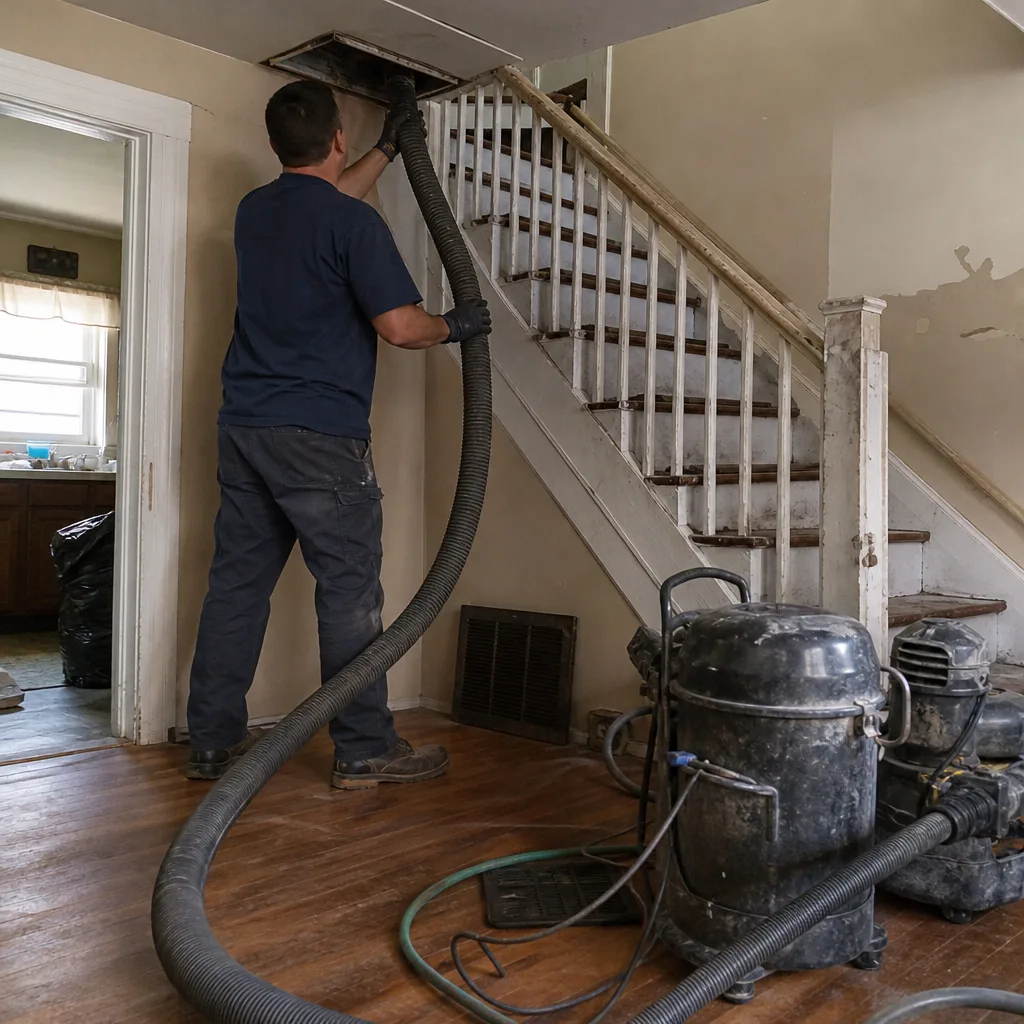 Before
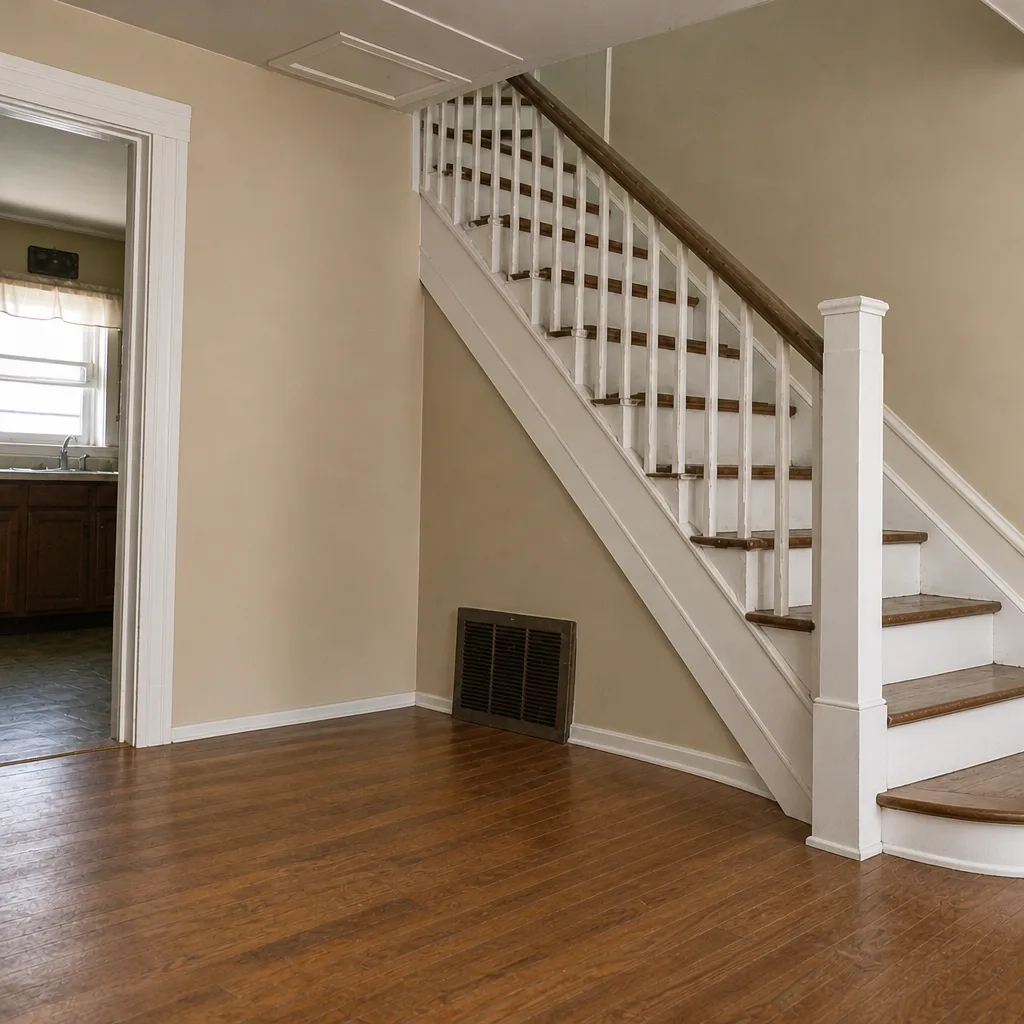 After
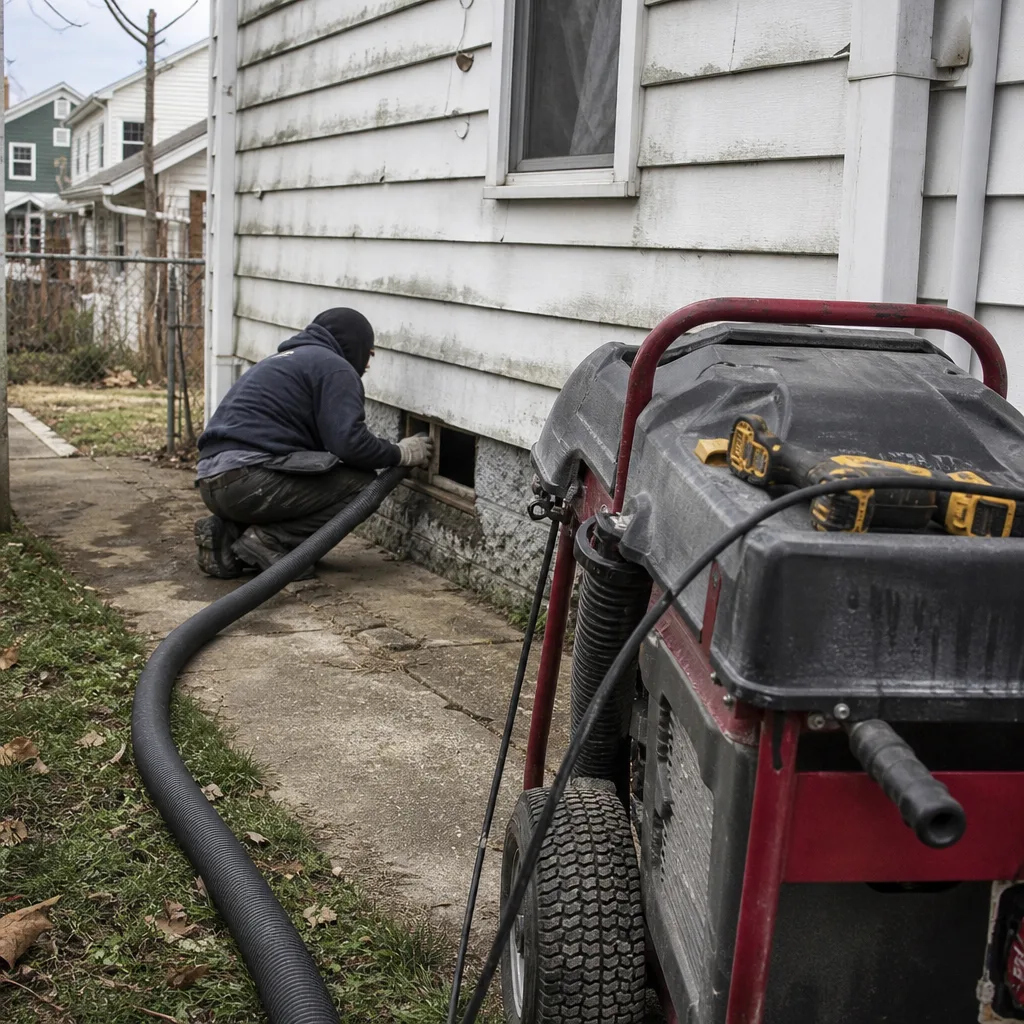 Before
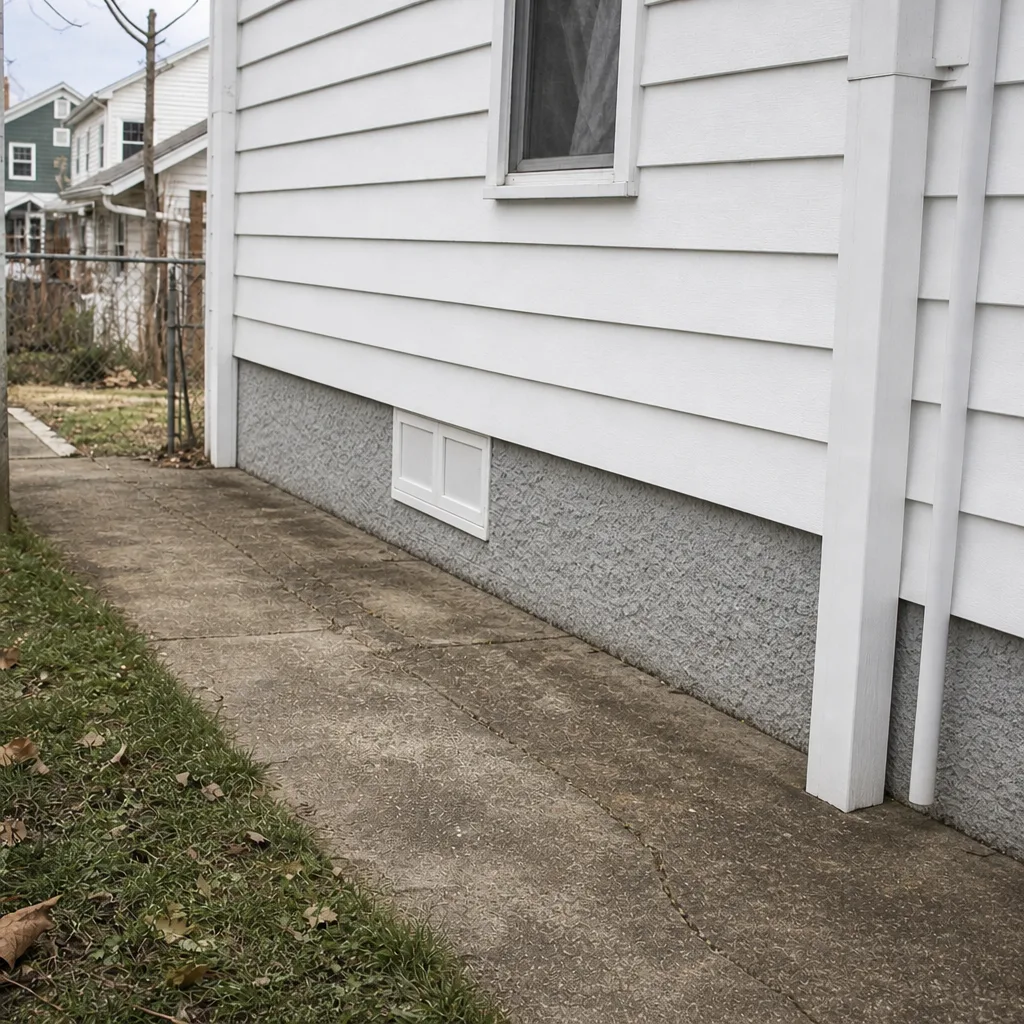 After
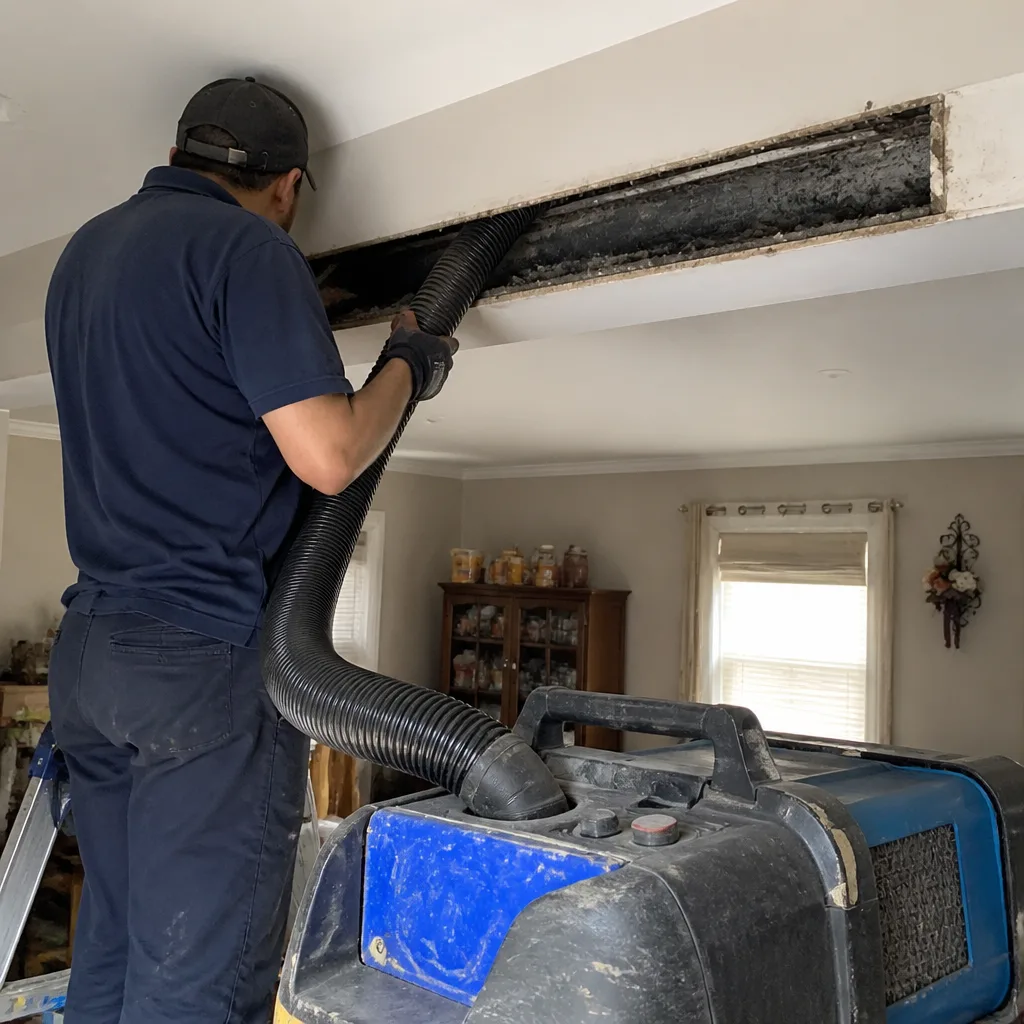 Before
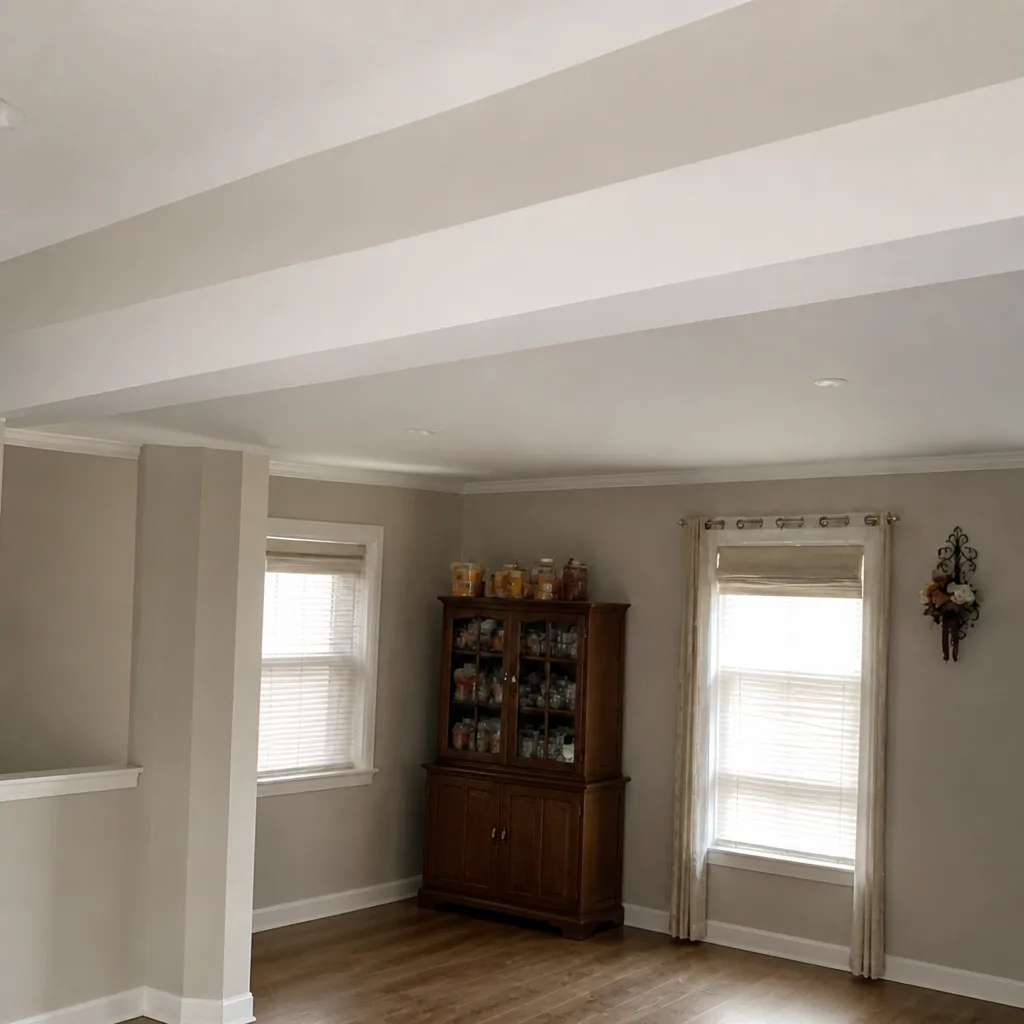 After
When to Call a Professional
Some signs are clear enough to skip the debate. Call for an inspection if you’re seeing visible dust streaming from registers right after a filter change, if you’ve just finished a renovation in a Frankford rowhouse and drywall dust went through the return path, if the system has a musty odor that doesn’t clear with a filter swap, if you’ve had water intrusion or a long vacancy, or if you’re moving into a home and have no record of a prior full-system clean. Mechanical symptoms count too: reduced airflow at distant registers, a blower that sounds labored, or a system that’s been through several HVAC upgrades without a documented duct assessment. Air Duct Cleaning Frankford offers free estimates in Frankford. Call (866) 690-7933. We answer 24/7. Fast dispatch from 7am to 7pm, Sunday through Friday.
Frequently Asked Questions
Most full-system residential cleans in the Frankford area land somewhere between roughly $350 and $700, with the range driven by system size, number of branch runs, duct material, and how much component cleaning the coil and blower require. Industrial or commercial duct runs run higher. Quote language like “just $99 for the first 10 vents” is the trap: those jobs are quoted per-vent, once the technician is on site, and the final invoice reflects it. We quote per system, in writing, before we start, and the estimate sets the final price. Call (866) 690-7933 for an exact quote. Estimates are free.
Because the job is different, not because the price is better. A cheap quote usually means no negative pressure setup, no component cleaning on the blower and coil, no leakage check, no post-clean verification, and a consumer-grade suction unit with no HEPA containment. That’s a surface pass, and in an older Frankford rowhouse, agitating debris without containment can push it into the coil and living space, which means you pay twice: once for the cheap clean and again to fix what it left behind. Ask what’s included, not just what it costs.
Documentation: before-and-after photos of the accessible runs and the coil face, and airflow and static pressure readings compared before and after cleaning. On a legitimately cleaned system, delivered airflow at registers improves and static pressure drops toward spec. If the technician can’t produce those, the clean wasn’t verified, regardless of how much dirt they say came out. Call (866) 690-7933 and ask what we document; it’s the first thing we’ll walk through.
There’s no fixed interval. The federal guidance doesn’t set a schedule, and companies quoting annual service are overselling. Cleaning is warranted when an inspection finds a documented reason: debris depth, microbial presence, recent renovation, water damage, pest activity, or a measured airflow problem. In older Frankford homes with mixed-vintage HVAC, that inspection is worth more than a calendar reminder. Call (866) 690-7933 for a free inspection.
Yes, and it’s a normal job here. The difference in older rowhouses is what the inspection turns up: duct liner that needs gentler agitation than bare metal, undersized branch runs that affect airflow at distant registers, and unsealed joints that leak air into wall cavities. All of that gets identified before any equipment gets set up, and all of it gets addressed with the right equipment: Rotobrush rotary brushes with material-appropriate pressure, Nikro suction, and Abatement Technologies negative-air containment where the findings call for it. Call (866) 690-7933 to book the inspection.
Not necessarily at the same time, but the dryer vent is a separate hazard from air quality and in older Frankford rowhouses the run is often long with more bends than optimal, which is exactly the profile where lint accumulates and fire risk builds. If you’re already having the ductwork opened up, having the dryer vent run assessed in the same visit makes sense. Call (866) 690-7933 to add it to the estimate.
The Bottom Line
Air duct cleaning isn’t a scheduled maintenance item, it’s a documented response to a diagnosed condition. In Frankford, that diagnosis needs to account for the housing stock: older rowhouses, retrofit duct layouts, mixed HVAC vintages, and duct liner that requires material-specific handling. The job itself should run from pre-inspection documentation through negative-pressure containment, contact source removal, component cleaning, and a post-clean verification against recorded airflow and static pressure numbers. If a quote skips the inspection, skips the containment, or skips the verification, it’s not a full-system clean, regardless of price. Get the inspection first, get the findings in writing, and get the verification numbers before the technician leaves.
Air Duct Cleaning Frankford offers free estimates on duct cleaning, duct repair and sealing, dryer vent cleaning, HVAC cleaning, and air quality sanitizing. We answer 24/7. Fast dispatch from 7am to 7pm, Sunday through Friday. Call (866) 690-7933 to get started.
Written by the team at Air Duct Cleaning Frankford.