
Last updated November 22, 2026
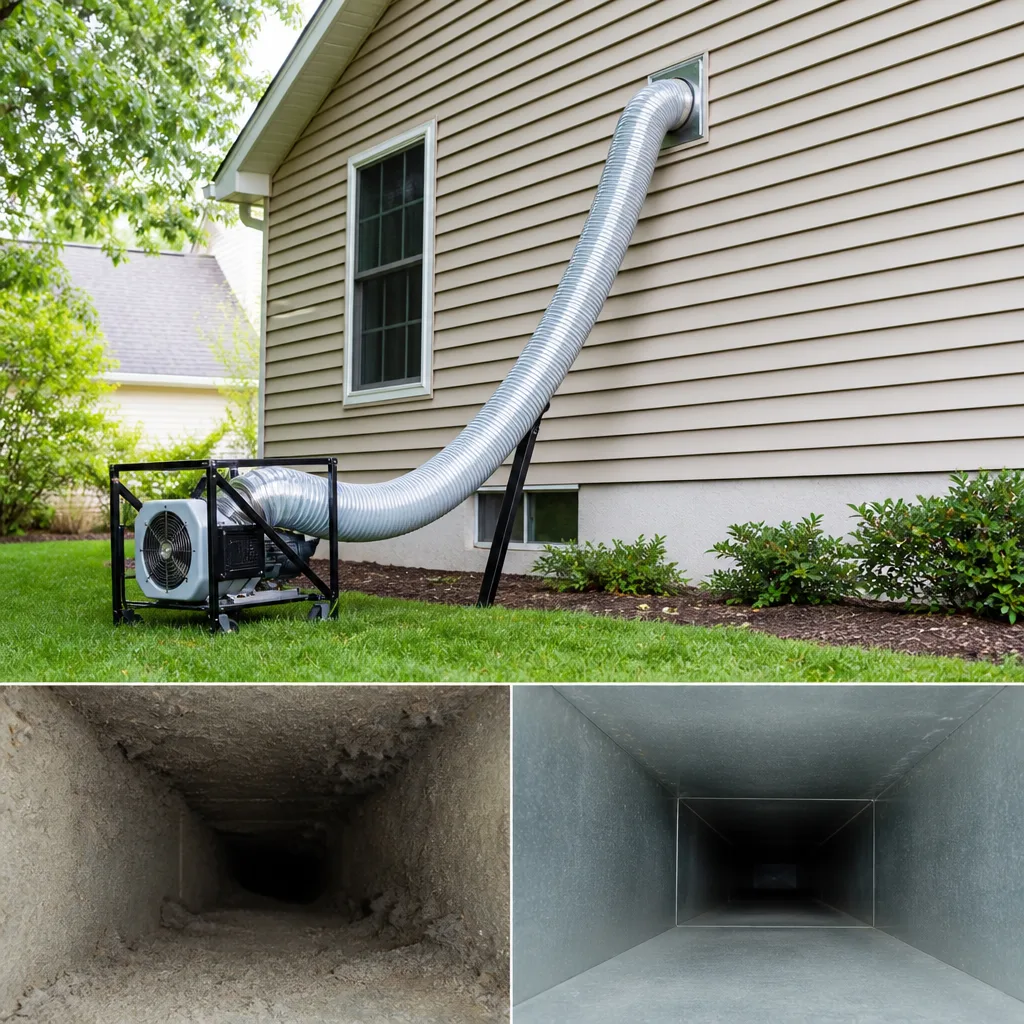 Whole-home duct cleaning
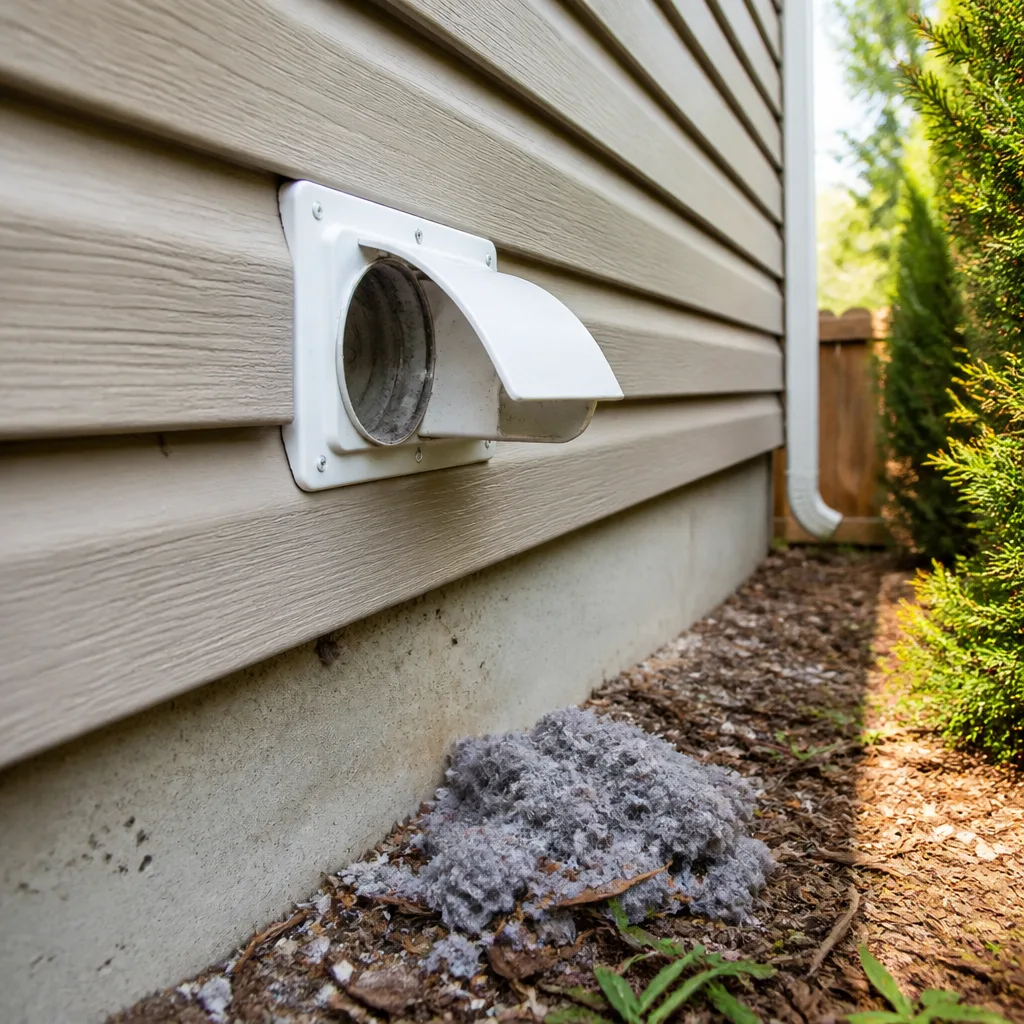 Dryer vent cleaning
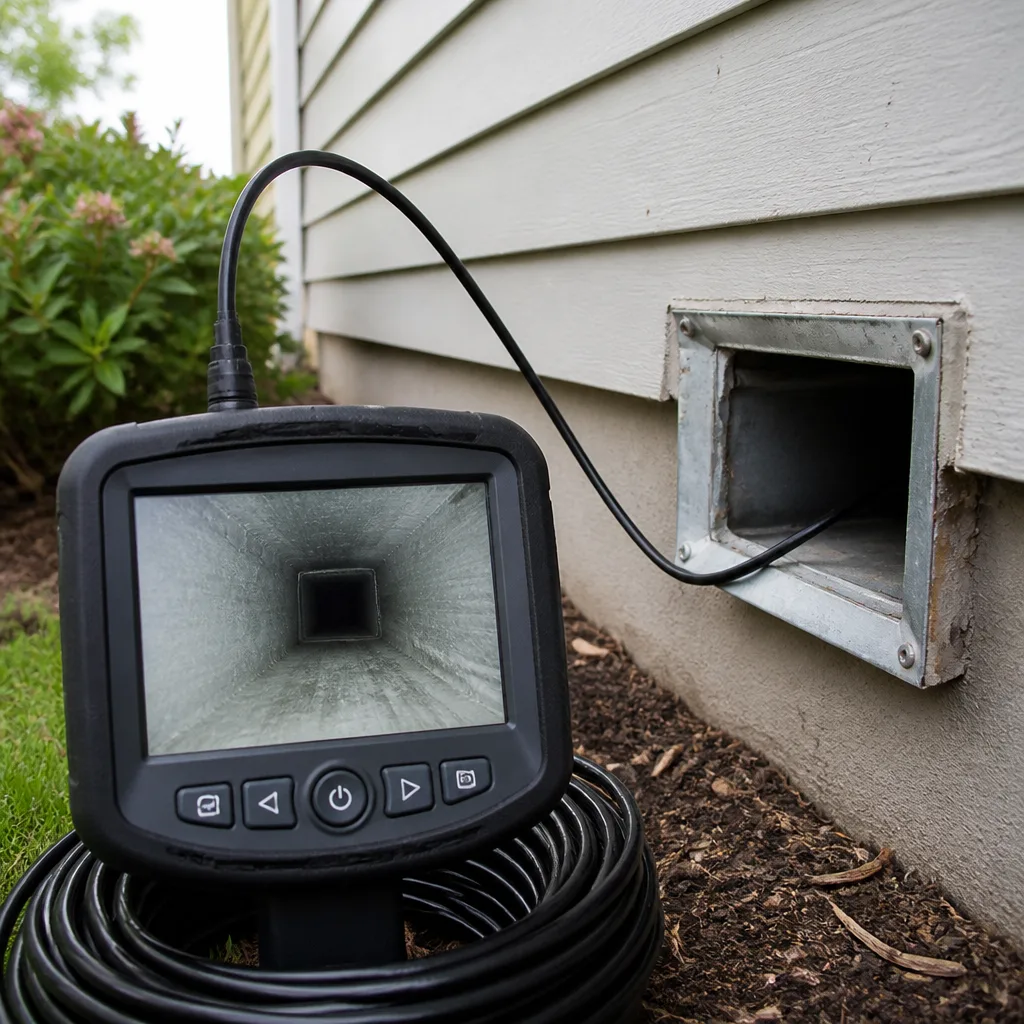 Camera inspection
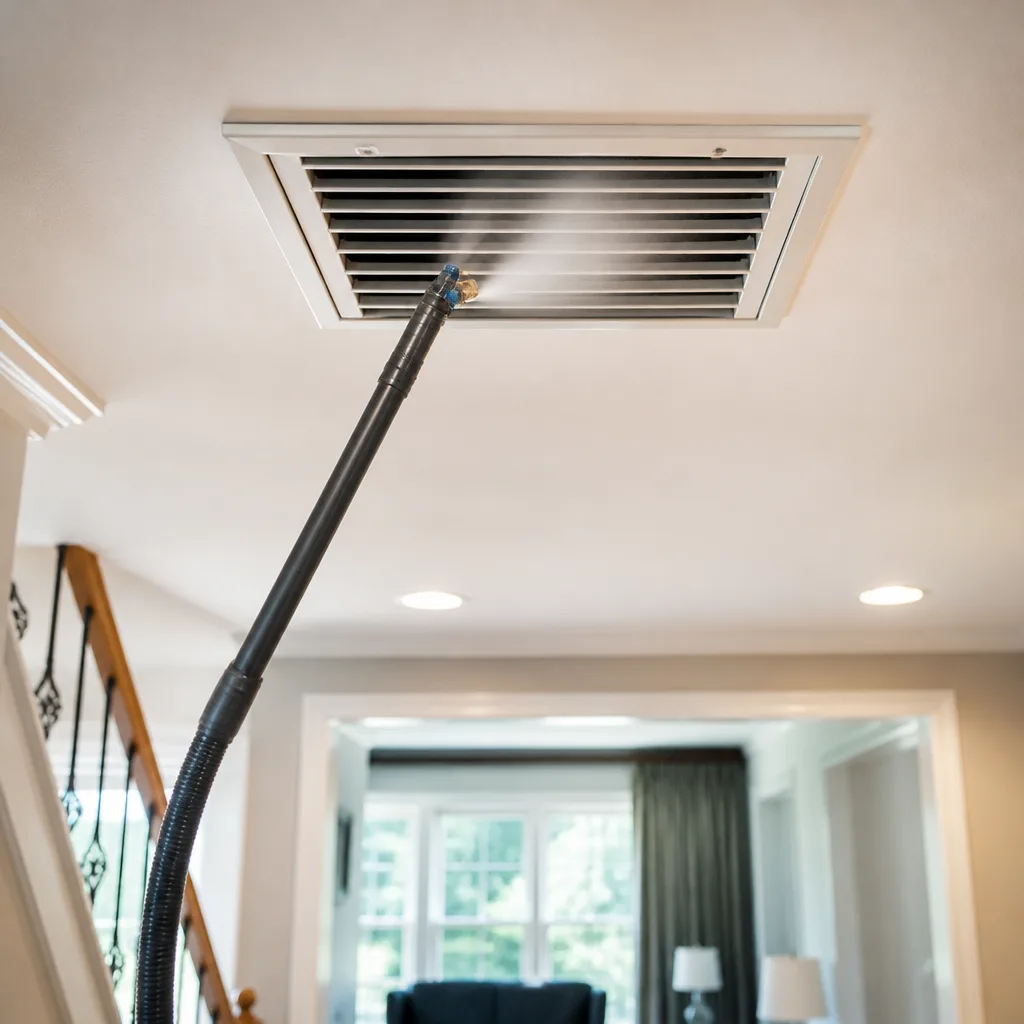 Sanitizing & deodorizing
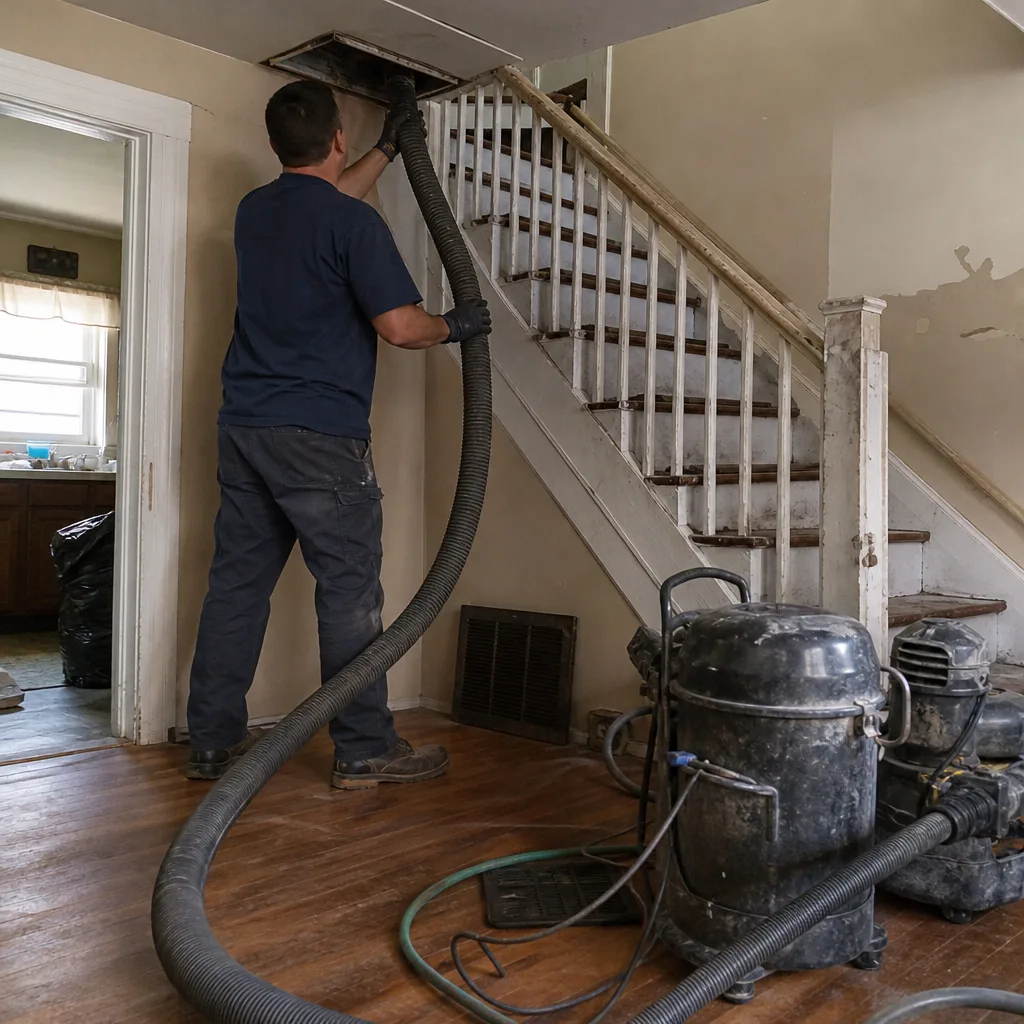
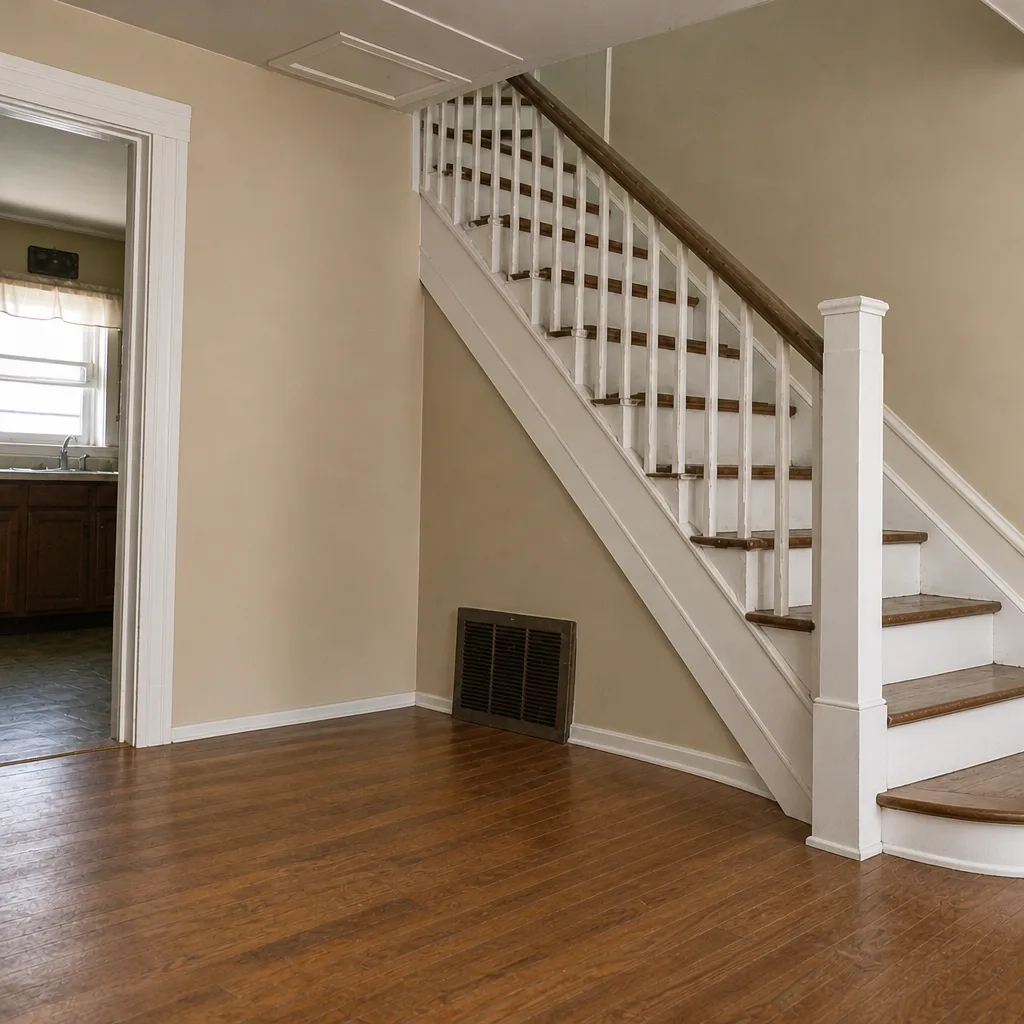
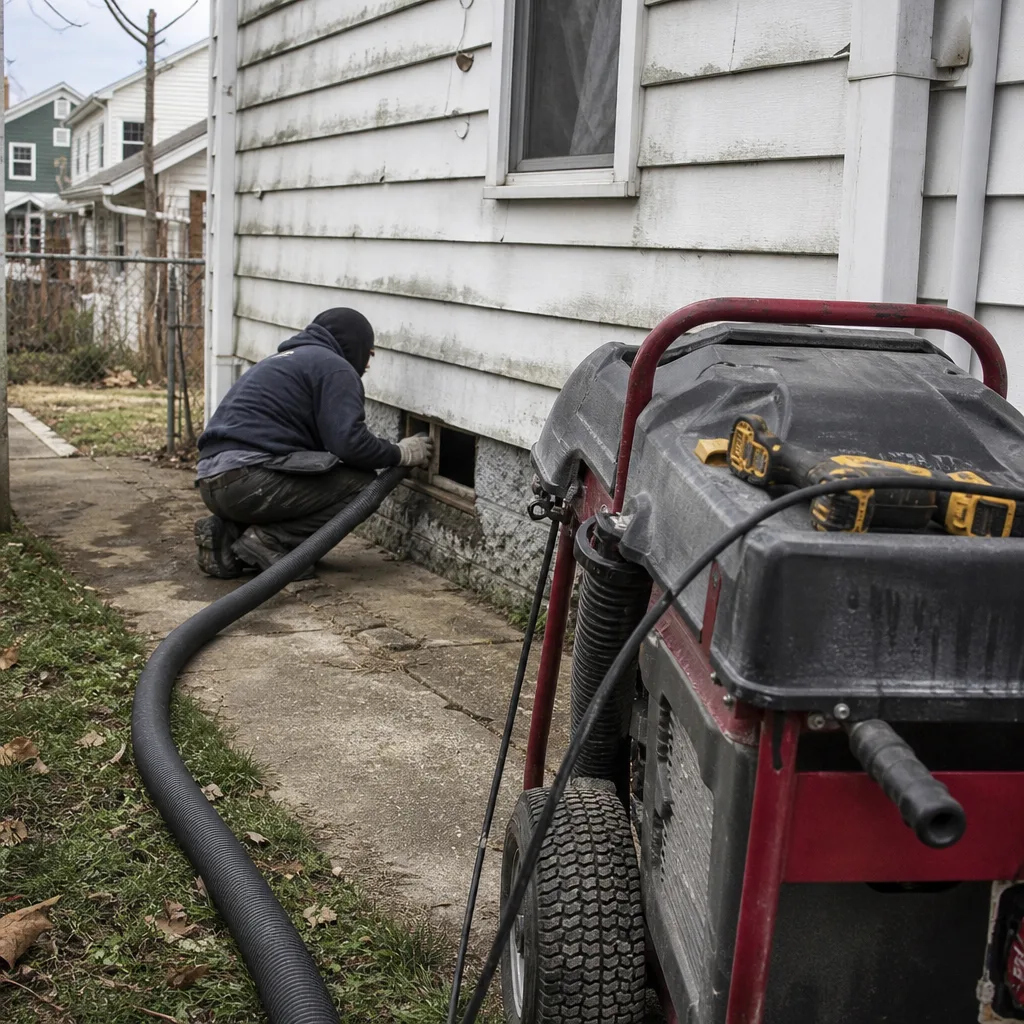
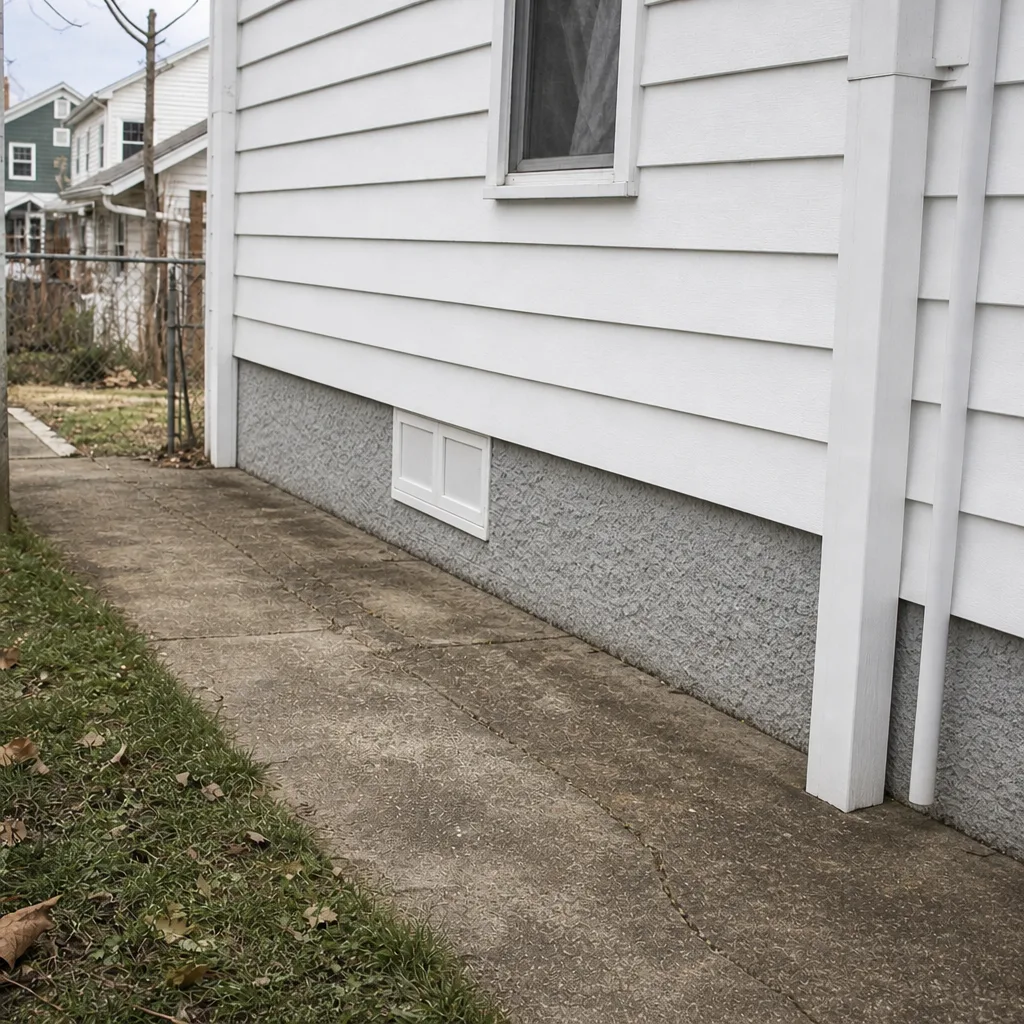
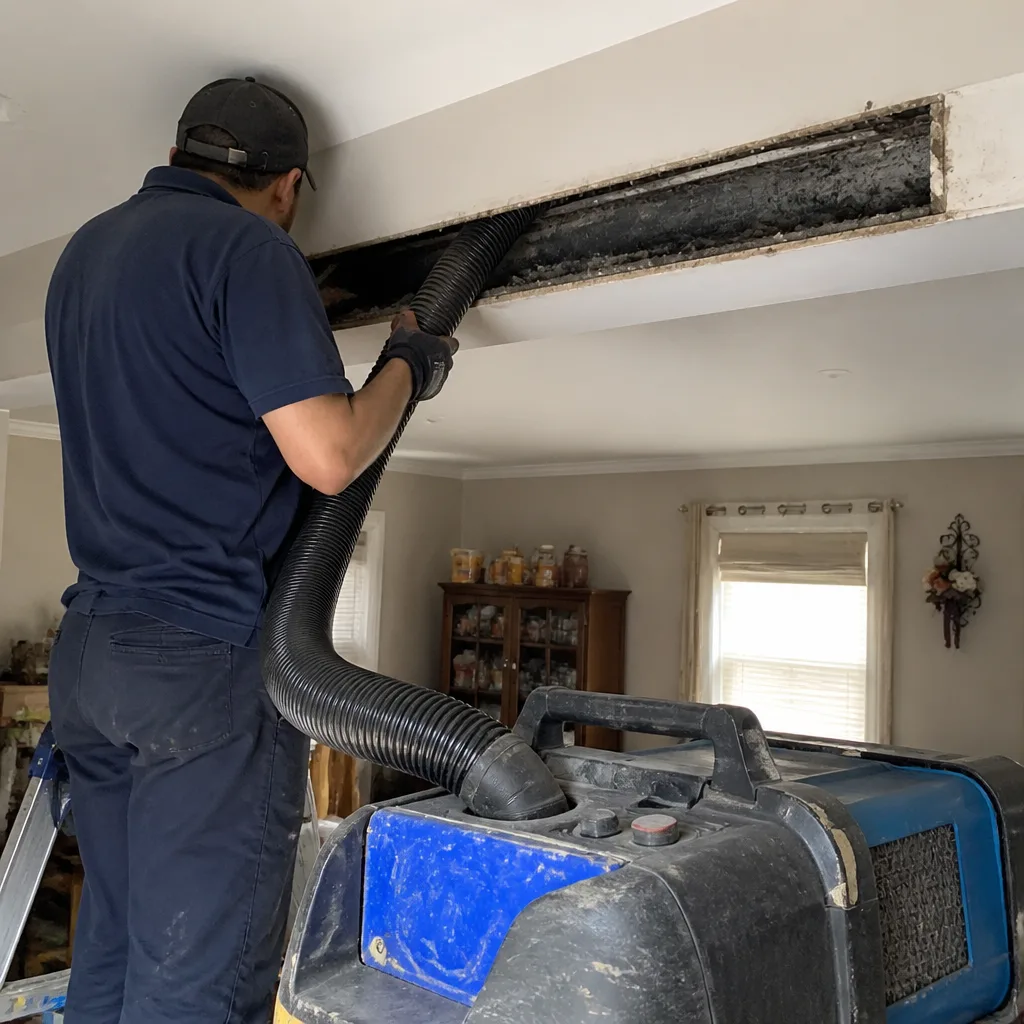
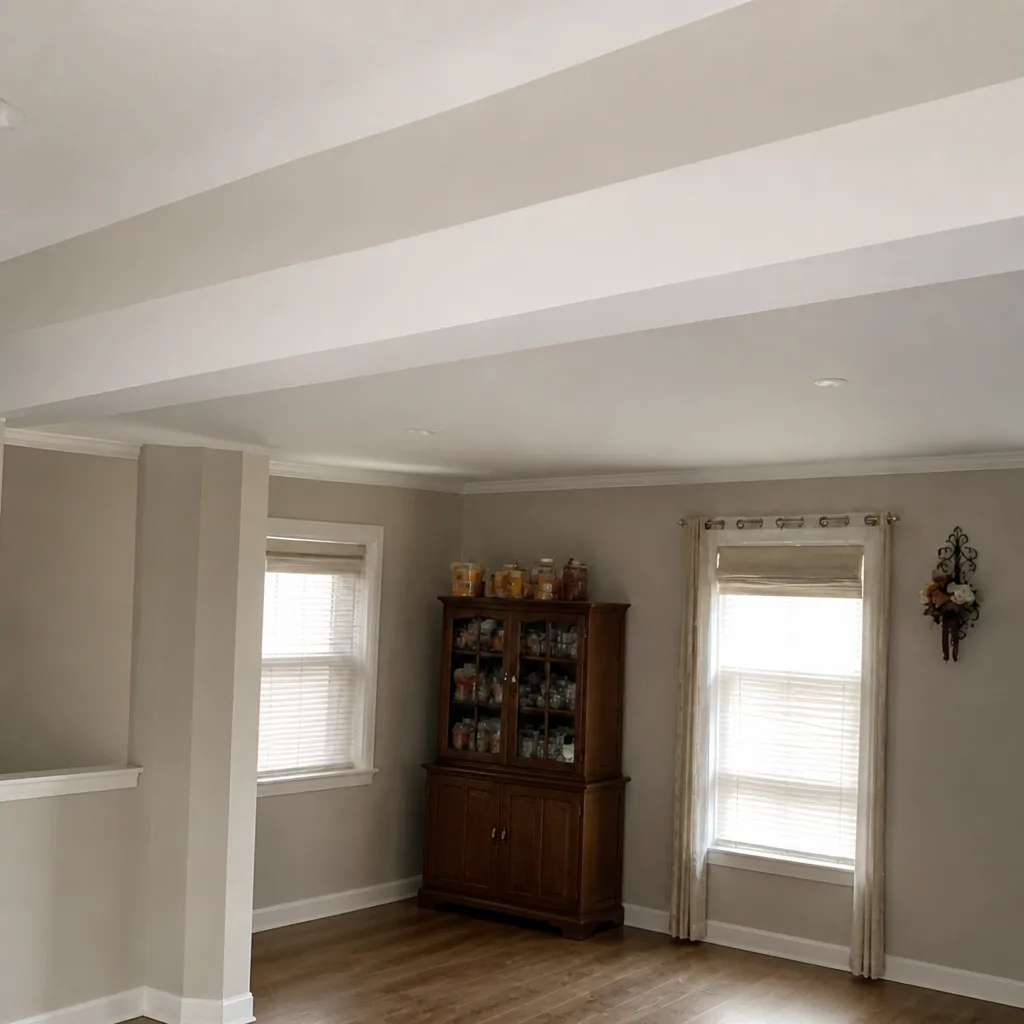
Whole-system duct and dryer vent check with before-and-after photos - you see exactly what came out of your vents
That "$99 whole-house special" is a bait ad - the real number appears once they are in your hallway, or the "clean" is a shop-vac at the register. We photograph the inside of your ducts before and after instead.
Air Duct Cleaning Cost Breakdown: The Frankford Homeowner’s Reference for 2026
Two quotes for the same Frankford row home can sit $500 apart and both be honest. That’s the part most pricing guides get wrong. A $149 whole-house special and a $650 whole-house quote aren’t competing on the same job: the first usually covers a surface vacuum pass over the accessible vents, the second covers negative-pressure cleaning of the full duct volume, including return plenums, the air handler cabinet and the coil housing. They’re different services wearing the same name.
This reference breaks duct cleaning into line items, so you can compare Frankford quotes on equal terms instead of chasing the lowest number and hoping it means the same thing. You’ll learn what each scope actually includes, where equipment changes the math, which add-ons earn their place, and what a written quote should itemize before you book a single job.
Quick Answer
In the Frankford area, whole-house air duct cleaning typically runs from about $300 to $700 for a standard home, with full-system work that includes the air handler and coil cleaning landing in the $500 to $900 range. Surface-only vent vacuuming can come in near $150 to $250, but that scope cleans very little of the duct volume. Your written estimate sets the final price, and any reputable company will put the scope in writing before work starts.
Styles & brands we work with
- Whole-home duct cleaning
- Dryer vent cleaning
- Camera inspection
- Sanitizing & deodorizing
Table of Contents
- Why Two Frankford Quotes Differ by a Factor of Four
- What the Line Items in a Duct Cleaning Quote Mean
- How Equipment Choice Changes What You Pay For
- Which Add-Ons Are Legitimate and Which Are Filler
- Frankford-Specific Factors That Shape the Price
- What a Written Quote Should Itemize Before You Book
- How to Compare Three Quotes on Equal Terms
- Common Mistakes to Avoid
Why Two Frankford Quotes Differ by a Factor of Four
The gap between quotes usually isn’t competitive pressure. It’s a different definition of “the job.” Three scopes show up again and again in this trade, and each one prices very differently.
- Supply-only cleaning. The technician cleans the supply runs feeding the rooms, typically from the registers. Returns and the air handler are untouched. This is the cheapest scope and the one that hides inside a low headline price.
- Supply-and-return cleaning. Both sides of the system are cleaned: supply trunk and branches plus the return trunk and return drops. This is closer to what “whole-house” should mean. Return plenums carry a heavy share of the dust load in a home, so cleaning them changes the result.
- Full-system cleaning. Ducts on both sides plus the air handler cabinet, the blower compartment and the coil housing. The coil is where airborne dust lands and sticks, and a system that’s been run without filtration service will carry visible buildup there. This scope reflects what we mean by a full-system clean.
Before you sign, ask one question: does your quote cover the returns and the air handler, or only the supplies? The answer reframes the price. A quote at the low end of the range for the supply-only scope isn’t a bargain compared to a full-system quote at the high end; they’re pricing different work.
That’s the core of the Air Duct Cleaning Frankford methodology, and why we put scope in writing up front. When a Frankford homeowner knows which scope they’re buying, the number on the quote finally means something.
What the Line Items in a Duct Cleaning Quote Mean
A duct cleaning quote shouldn’t be a single lump sum. A real quote reads like a scope-of-work document. The table below shows typical estimated ranges for Frankford-area homes, broken down by service type. Use the list as a checklist for what should appear in yours.
| Line item | Typical estimated range | What it covers |
|---|---|---|
| Supply-only duct cleaning | $150 to $300 | Supply trunk and branch runs, register-to-register |
| Supply-and-return duct cleaning | $300 to $550 | Both sides of the system, trunk and drops |
| Full-system cleaning (add air handler, blower, coil housing) | $500 to $900 | Ducts plus the equipment cabinet and coil area |
| Duct repair and sealing | $150 to $500 | Patch and seal disconnected or leaking joints |
| Dryer vent cleaning | $100 to $250 | Lint and obstruction removal from the vent run |
| Sanitizing treatment | $100 to $300 | Surface application across cleaned duct interiors |
These are estimated ranges for the area, not per-vent prices. A company quoting $12 a vent, or similar, is selling you a different pricing model; it can climb fast the moment the technician counts returns, registers, or difficult runs. Whole-system pricing keeps the job in view. Ask the company to state, in writing, the number of registers and returns in the scope so nothing gets re-counted later.
Also look for the details that cost money when they’re left out: the number of systems being cleaned (a duplex or a home with two zones means two systems, two scopes), the estimated linear footage of ductwork, and whether the technician will photograph before and after. A quote that skips the photo clause is harder to verify after work is finished.
How Equipment Choice Changes What You Pay For
Duct cleaning effectiveness per hour depends a lot on the machinery on site. Two companies can spend the same two hours in a Frankford row home and leave very different results depending on what they brought.
Truck-mounted systems
A truck-mounted vacuum runs on its own power and delivers heavy suction over long runs to the ductwork. It pulls volume efficiently, and in a home with long trunk lines it can move more air per minute than portable gear. The trade-off is access: the truck has to park close, the hose run has to reach the duct, and the setup can eat into working time in tight street parking.
Portable contractor-grade units
Portable units like Nikro HVAC cleaning equipment travel into the home and set up close to the work. Suction and agitation come from the machine plus a rotary brush tool, which is what actually scrubs the duct wall rather than just pulling dust through open air. Rotary brush systems – Rotobrush being the name most recognized in this trade – agitate the inside of the duct while the vacuum captures the dislodged material. That mechanical action matters in older Frankford homes where dust has had time to pack onto the duct surface.
Containment and extraction
The better setups pair the vacuum with negative-air containment. Abatement Technologies negative-air machines are standard in professional mold and contaminant work for a reason: they hold a pressure differential in the work area and capture airborne particles that would otherwise drift into the room. When a job includes heavy debris or a renovation has left fine dust behind, that containment is what keeps the clean from becoming a migration. A crew that shows up without it is extracting less than you’re paying for.
When you compare quotes, it’s fair to ask what equipment will be on site and whether the technician will run the air handler during the clean to draw dust into the extraction path. Any honest company will answer without hesitation.
Which Add-Ons Are Legitimate and Which Are Filler
This is where the duct-cleaning pricing reputation was born. Legitimate add-ons serve a specific job. Filler add-ons are designed to raise the ticket. Here’s how to tell them apart.
Sanitizing agents
Sanitizing is legitimate when there’s an actual reason: a settled moisture issue, a musty odor that persists after cleaning, or a specific contamination concern that a qualified tech has identified. Applied after cleaning, products like Guardsman-grade sanitizers are designed for that surface application. Sanitizing a clean duct with no identified reason buys you reassurance, not improved air. A good technician will tell you whether it’s worth it before applying.
UV lights
UV installs have a place, usually at the coil or the drain pan where biological growth can form. They are not a substitute for cleaning and they don’t clean the ducts. Where a UV installation genuinely helps, it’s a targeted add-on. Where a company offers UV as a blanket upgrade on every call, that’s a signal the add-on is a margin line, not a diagnosis.
Duct coating
Coating is rarely necessary on residential air ducts, and applying it inside a conventional flexible or sheet-metal system is tricky to do correctly. Fiberglass duct board can shed fibers after coating if the application is off. Treat “duct coating” as a solution looking for a problem unless a specific structural reason is documented. It’s not on our standard service list, and we’d rather point you to duct repair & sealing where the actual issue is a leak or a disconnected run.
Air quality upgrades that tie into the system
Post-cleaning upgrade work is different. Adding a filtration element like a Honeywell or Aprilaire media filter cabinet, or an Aprilaire humidifier, is a real change to the air system itself, not a spray product. Plan for that as a separate decision, after the clean, once the tech has seen what’s in the ducts.
Frankford-Specific Factors That Shape the Price
The housing stock in this area has a real effect on what a duct cleaning job costs. Frankford’s dense block of multi-story row homes, older duplexes and rowhouses from a range of construction eras means jobs aren’t cookie-cutter.
- Multi-story row homes. Ductwork that climbs to upper floors has longer runs and more turns. Every elbow in the duct adds friction to the extraction path and slightly increases the work, because the brush and vacuum combination has to clear the turns as well as the straight runs.
- Shared HVAC in duplexes. Duplex conversions sometimes run one system across two dwellings, or leave historic ductwork that used to serve a single-family home. The technician has to trace which registers belong to which system before pricing the scope. A quote given before that tracing happens is likely to change once the tech is on site, and not in your favor.
- Square footage and linear footage aren’t the same. A 1,400-square-foot Frankford home might have 60 feet of duct near the equipment, or it might have 120 feet if it runs between floors and along both sides of the house. Quote the linear footage, not the square footage, because the linear footage is what gets cleaned.
- Access. Basement-installed air handlers, tight closets and drop ceilings are common here. The tighter the access, the longer the setup. A good quote will reflect the access reality; a too-cheap quote may assume easy access until it isn’t.
- Recent renovation. After drywall work or a kitchen renovation, construction dust moves into the ducts. Cleaning before finishing another room is different from cleaning after a renovation has dropped fine material into the system; expect the post-renovation clean to require more extraction time and, sometimes, more containment equipment.
None of these factors are a flood or a hazard; they’re just what the housing in this part of Frankford is like, and they mean the “same” price for a 1,200-square-foot home two blocks over isn’t a reliable comparison.
What a Written Quote Should Itemize Before You Book
A written estimate that doesn’t itemize the scope below isn’t ready to be signed. Push back until each item is covered.
- The number of systems covered. One system, two systems, a separate unit for an addition. The price should say which.
- Supply vs. supply-and-return vs. full-system scope. Spell out whether the returns and the air handler are included.
- Register and return counts. The number of vents in the scope, so nothing gets re-counted on the day.
- Estimated linear footage of ductwork. Rough number in feet is fine; it just tells you the company has thought about the layout.
- Air handler and coil cleaning, stated separately if included. Or absent if not, which tells you it’s the smaller scope.
- Photo documentation. Before-and-after photos of your own ducts. Non-negotiable as a real deliverable.
- Containment equipment in use. Whether negative-air machines are on the setup, especially if the home has had recent construction work.
- Add-ons priced as separate lines. Sanitizing, UV, filter cabinet upgrade. You should be able to decline each without the core job changing.
That’s the framework behind a Frankford air duct cleaning quote that can actually be compared. Take a quote to our service lineup and expect those items to be there; anything else is unneeded or unpaid for, depending on which side of the table you’re on.
How to Compare Three Quotes on Equal Terms
Side-by-side comparison only works if each quote covers the same scope. Line up any three quotes next to the eight items above and check where they diverge.
- Match the scope first. If one quote is supply-only and two are full-system, cross out the outlier and re-shop the two that match.
- Match the systems count. A 2-system home quoted as one system is not a real quote. It’s a starting point that will be revised on arrival.
- Match the equipment tier. Truck-mounted vacuum work and contractor portable work aren’t the same product; if one quote is built around a portable kit and one around truck-mounted suction, ask the company to explain the result they expect in your duct layout.
- Check the add-on structure. If sanitizing, UV or coating is bundled into the mandatory price, unbundle it and see what the core number is.
- Read the photo clause. Two quotes that both promise before-and-after photos are closer to equivalent; a quote without that clause isn’t offering verifiable work.
- Look at the price spread. After normalizing scope, the spread usually narrows to 20-30 percent, which is the range you’re actually choosing between.
If a company refuses to itemize the returns and the air handler in its quote, or won’t commit to photos, that’s the answer: the number won’t be comparable because the work isn’t. When you’ve narrowed to serious quotes, run each against these line items, then make one call to confirm scope in writing.
Common Mistakes to Avoid
- Comparing a supply-only quote to a full-system quote. They aren’t the same job. A supply-only quote at $200 next to a full-system quote at $750 is the smaller scope at a fair price, not a better deal. Ask the number of returns in the scope, then compare.
- Booking from a per-vent price. A “per-register” headline is a teaser. Registers are easy to miscount once the tech is on the floor, and the price climbs with every added vent. Whole-system pricing holds the job in view.
- Skipping the air handler when it’s the dirtiest piece. Ductwork cleaned to a shine with a coil left caked is half a job. Ask explicitly whether the coil housing and blower compartment are in the scope.
- Saying yes to sanitizing before anyone has seen the ducts. Sanitizing belongs in the plan after a technician has identified a reason. Booked blind, it buys no improvement.
- Hiring a crew with no negative-air containment in an older Frankford home with heavy buildup. The relocation of dust from the ducts into the living room is the number-one reason a clean becomes a problem. Containment isn’t a luxury; it’s what keeps the clean indoors.
- Acquiring a dryer vent from elsewhere. When hiring a duct team for a Frankford home, ask about dryer vent cleaning in the same visit. A separate dryer vent call is cheaper bundled into a scheduled whole-system visit; getting the lint cleared in the same visit is the sensible structure.
- Booking before the quote is in writing. A verbal estimate is a starting point. Insist on the itemized written quote – the checklist above – before a single brush goes into a duct.
See the difference
 Before
 After
 Before
 After
 Before
 After
When to Call a Professional
Duct cleaning isn’t a home task, and it isn’t a task for a rental-store vacuum either. The tools in the trade pull the dust out of the duct and simultaneously hold it in containment; a consumer vacuum pushed into a register does the opposite, spreading fine dust back into the room. Call a professional when there’s visible dust coming out of the registers when the system runs, when a renovation has dropped material into the ducts, when a musty odor appears every time the air kicks on, when you’re planning a first deep clean on an older Frankford home, or when an older building’s ductwork looks loose or disconnected. Repairing or sealing a joint you can’t easily reach on a Frankford row home is worth a trained pair of hands, and so is anything involving the air handler, the coil or the electrical side of the equipment. Air Duct Cleaning Frankford offers free estimates in Frankford. Call (866) 690-7933. We answer 24/7. Fast dispatch from 7am to 7pm, Sunday through Friday.
Frequently Asked Questions
In the Frankford area, whole-house air duct cleaning typically ranges from about $300 to $700 for a single system, with full-system cleaning that includes the air handler and coil housing landing around $500 to $900. Supply-only cleaning runs near $150 to $300 but covers much less of the duct volume. The written estimate sets the final price; call (866) 690-7933 for an exact quote, and the estimate is free.
They’re usually selling a different scope, not a discount. A very low quote is often supply-only cleaning (sometimes with a per-vent structure that rises on site), while a higher quote may cover both supply and return runs plus the air handler and coil. Compare the scope line by line before you compare the number. If a company can’t tell you whether the returns are included, the quote isn’t ready to be compared.
Ask for before-and-after photos of your own ducts, taken during the job. Photo documentation is the one verification that doesn’t depend on a verbal description, and it’s the standard our technicians work to on every job. A company that can’t commit to photos in writing isn’t offering verifiable work, whatever the price.
Most homes can go several years between cleanings, and some can go longer. Homes with pets, household members with allergies, recent renovations or heavy dust conditions tend to need it sooner. In a Frankford row home that’s been through a renovation, plan a clean once the drywall work is finished, not before, because post-construction dust settles into the system afterwards. Call (866) 690-7933 for a free estimate if you’re unsure where your home falls.
Neither is universally better; the result depends on the setup around it. Truck-mounted systems pull strong suction over long runs and suit homes with long trunk lines and straightforward access. Contractor portable units combined with a rotary brush system – Rotobrush and Nikro equipment are common in the trade – perform the mechanical scrubbing that loosens packed dust from the duct wall, which the vacuum alone doesn’t do. The strongest setups use negative-air containment from a machine like Abatement Technologies, regardless of whether the vacuum is truck-mounted or portable. Within our own service, the portable rotary-brush route is the workhorse for Frankford homes, working close to the duct and agitating the wall surface. Ask what equipment will be on site and whether containment is included; both companies should be able to answer clearly. A single flat price per system, agreed before work starts, is a fairer comparison than a question of equipment brands alone.
It adds a step, not a different service. Full-system cleaning with air handler, blower and coil housing runs about $500 to $900 compared with $300 to $700 for ducts alone in this area. That’s an extra cost well spent when the coil has visible buildup, which it often does on a system that’s been running for years without filtration service. The written estimate should price that step separately.
Not automatically. Sanitizing earns its place when a technician has identified a specific reason – a settled moisture issue, a persistent odor after cleaning, a known contamination concern. UV lights make sense at the coil or drain pan where growth can form, but they don’t clean the ducts. Every add-on should be priced as a separate line you can decline. Call (866) 690-7933 for a free estimate that states the add-ons separately.
The Bottom Line
The duct cleaning price you see in Frankford is only meaningful once you know the scope behind it. Supply-only, supply-and-return and full-system work are three different jobs at three different price points, and a written quote that itemizes the systems count, register count, linear footage, air handler coverage, containment equipment and photo documentation is the only kind you can compare fairly. Legitimate add-ons earn their place; filler ones don’t. When the scope is stated clearly and the price is set per job before work starts, the number on the quote finally tells you something.
If you’re ready to compare a real full-system quote in Frankford, call (866) 690-7933 for a free estimate. We answer 24/7. Fast dispatch from 7am to 7pm, Sunday through Friday. Our technicians have up to 10 years of experience, and we bring contractor-level equipment – Rotobrush rotary brush systems and Nikro HVAC cleaning units – plus Abatement Technologies negative-air containment, for a clean you can see in the photos. When it’s time for the full-system visit, you can also book air duct cleaning on the same call.
Written by the team at Air Duct Cleaning Frankford.