
Last updated November 22, 2026
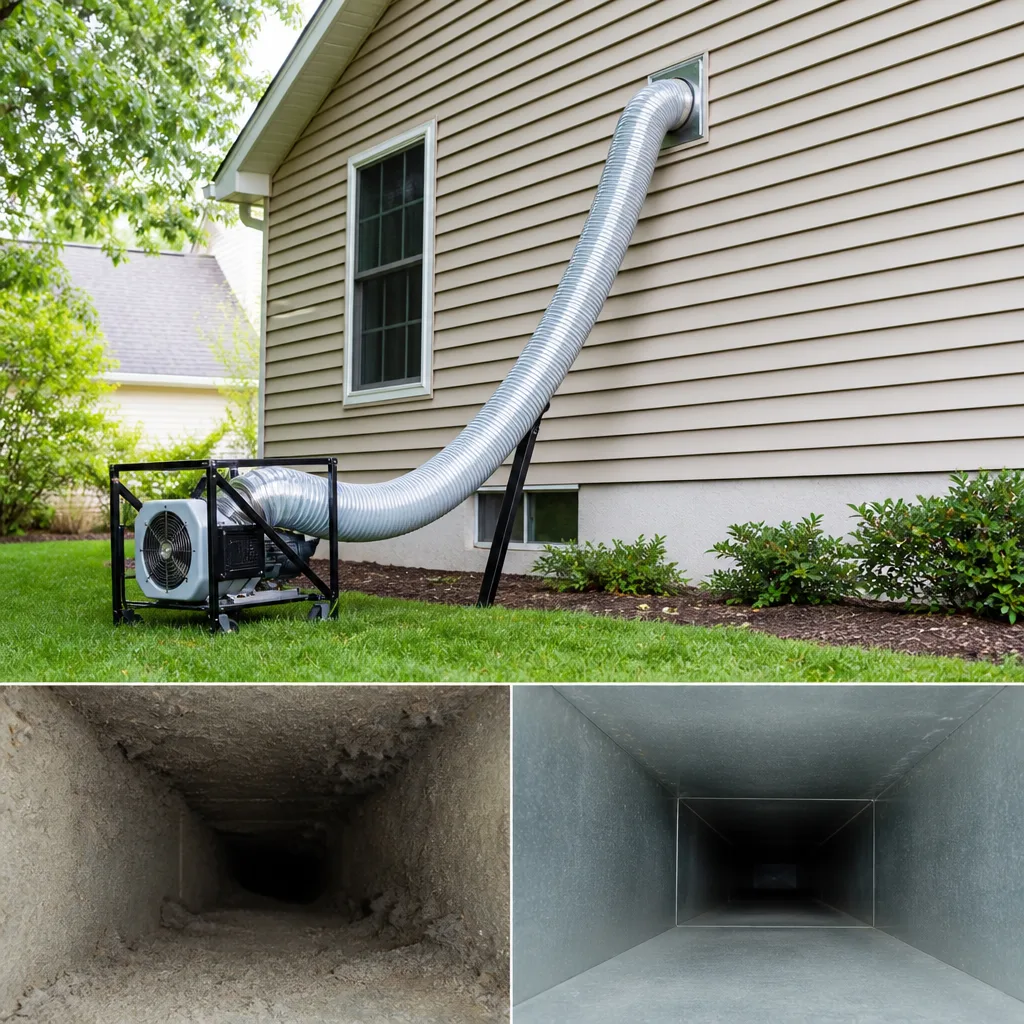 Whole-home duct cleaning
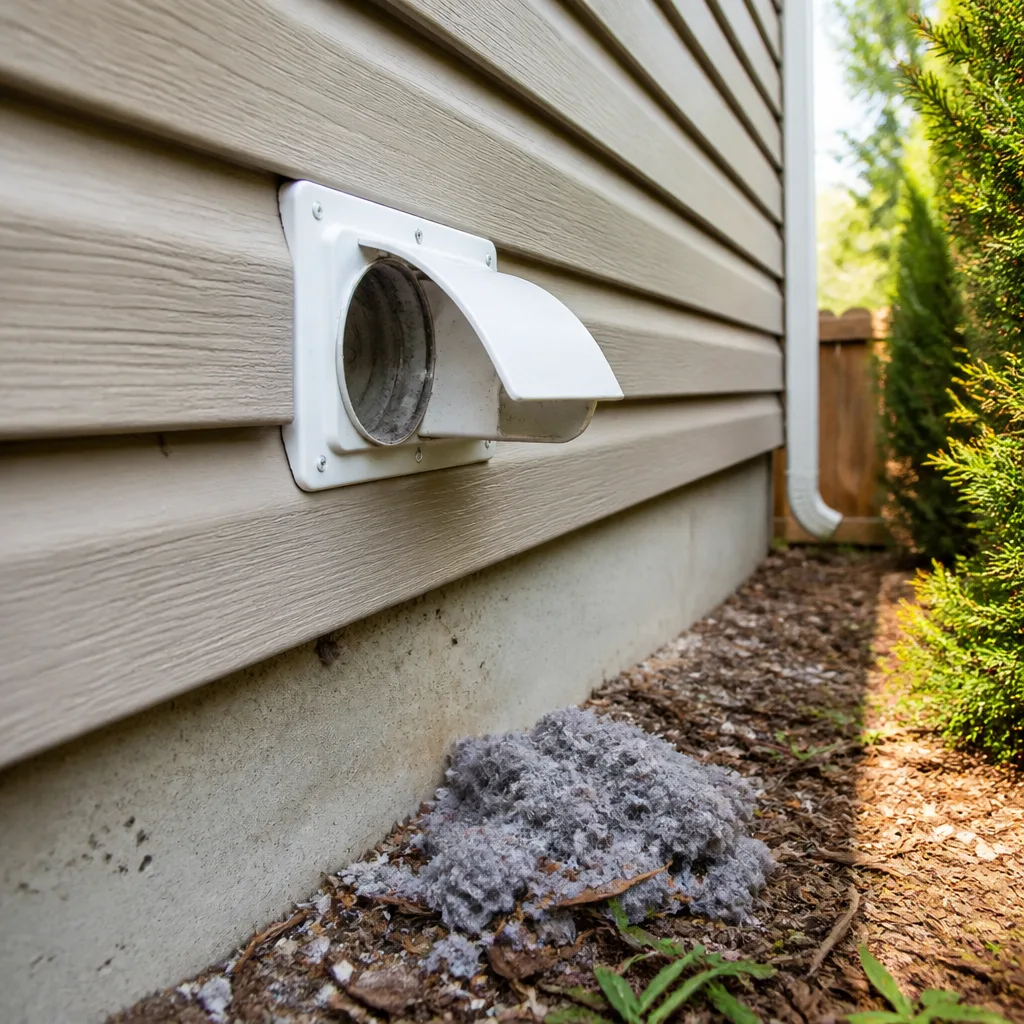 Dryer vent cleaning
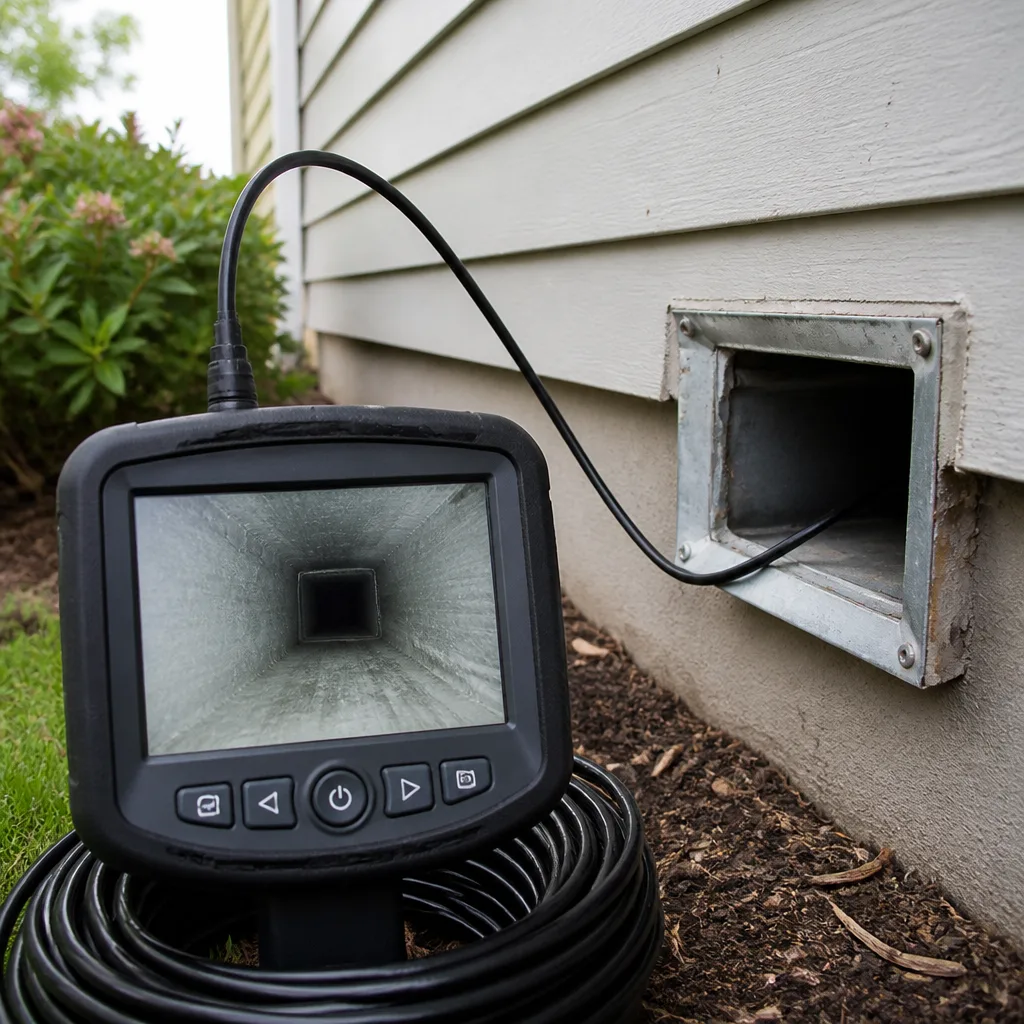 Camera inspection
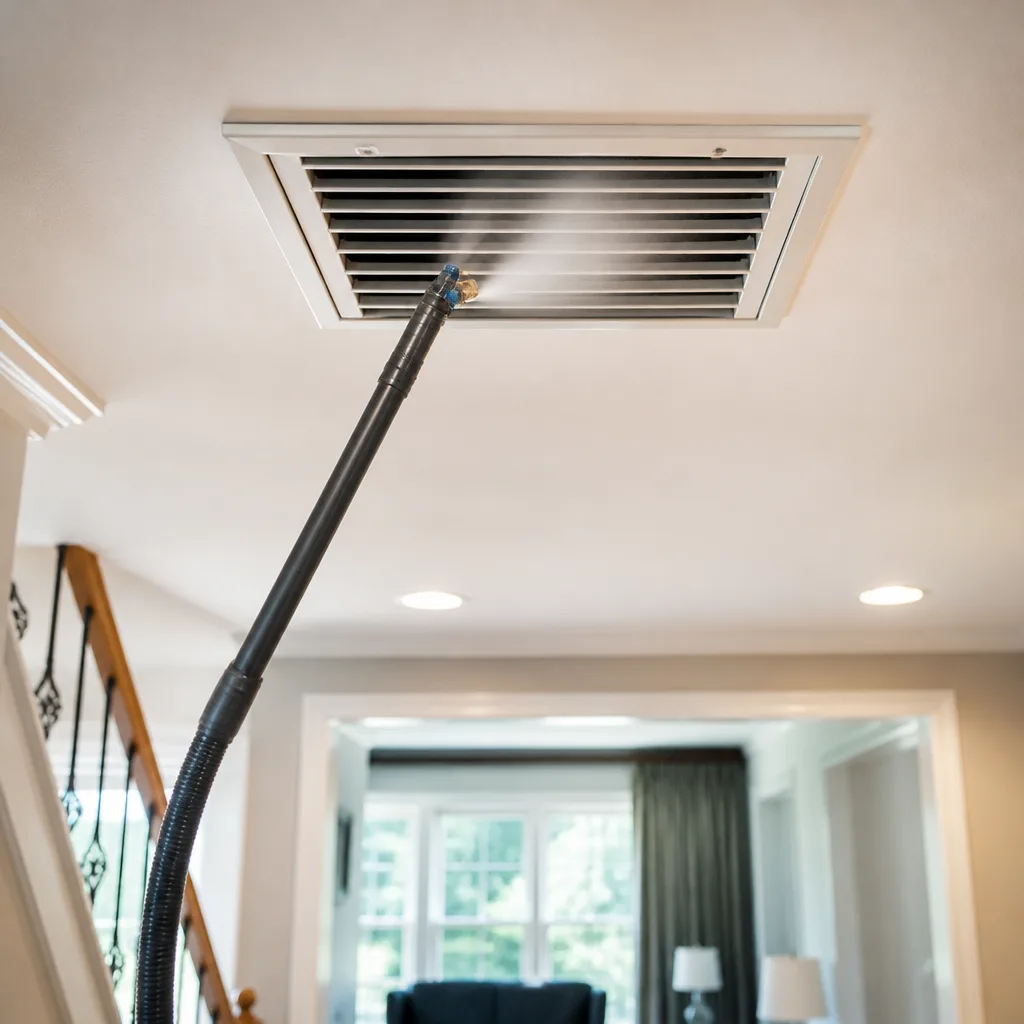 Sanitizing & deodorizing
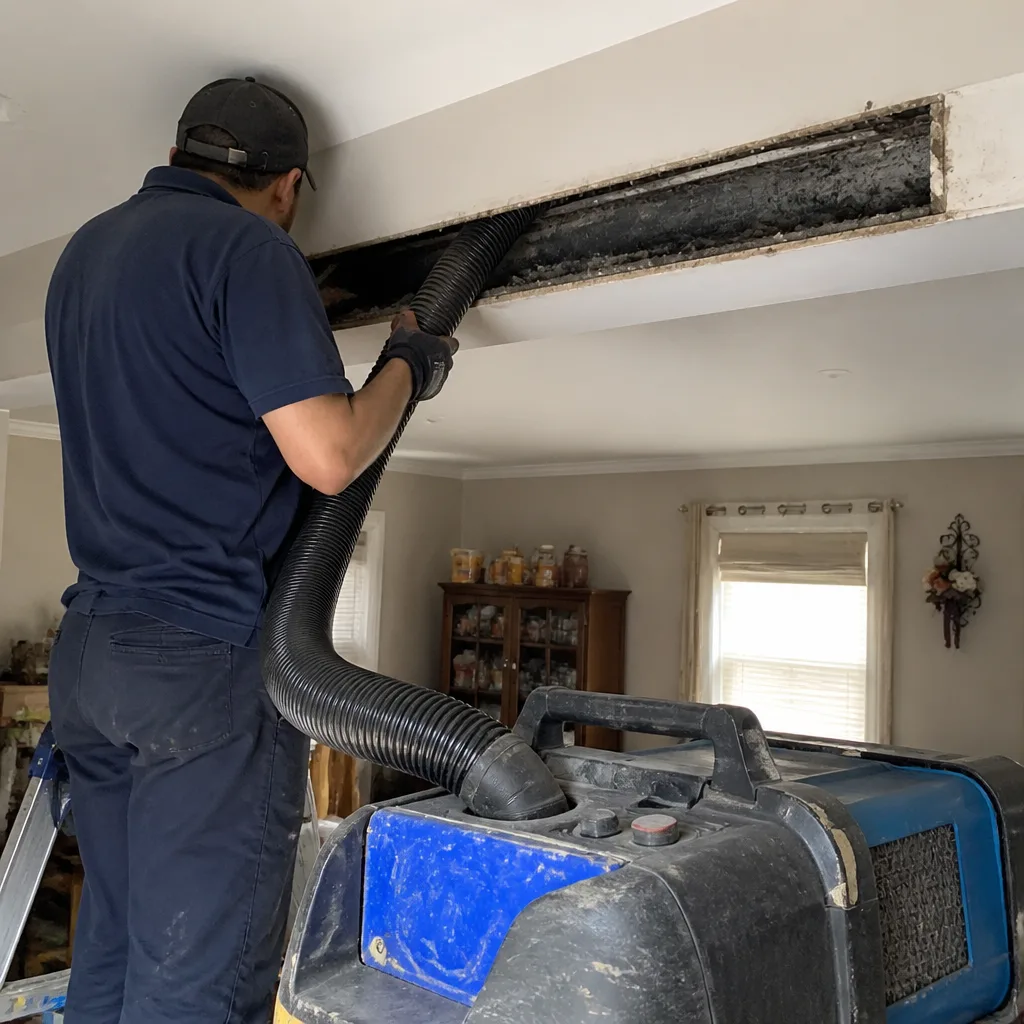
Whole-system duct and dryer vent check with before-and-after photos - you see exactly what came out of your vents
That "$99 whole-house special" is a bait ad - the real number appears once they are in your hallway, or the "clean" is a shop-vac at the register. We photograph the inside of your ducts before and after instead.
Seasonal Air Duct Cleaning Care for Frankford: Year-Round Homeowner’s Guide
Most homeowners clean their ducts in spring because that’s when the marketing tells them to. In Frankford, that instinct is off by weeks. The two riskiest stretches for an HVAC system here are the shoulder seasons – late April and late October – when outdoor humidity swings hard while the system is still running, and ductwork that went through winter or summer without attention becomes a place where moisture and debris settle in together. Spring cleaning doesn’t address that. Timing does. This guide maps Frankford’s four real duct stress periods to specific checks and cleaning actions, so you work from evidence rather than habit, and so you can hand a contractor a maintenance log that actually tells them something.
Quick Answer
In Frankford, air ducts need attention at four points in the year, not one: after heating season ends (combustion residue and filter bypass), during the humid summer (condensation risk in basement systems), before heating season starts (pest and moisture inspection), and mid-winter (a filter and particulate audit in a closed house). A full professional cleaning roughly once a year, timed to the season your system runs hardest, plus a written log of what you observe between cleanings, keeps the system in better shape than any single deep clean done on a calendar whim.
Styles & brands we work with
- Whole-home duct cleaning
- Dryer vent cleaning
- Camera inspection
- Sanitizing & deodorizing
Table of Contents
- Why Frankford’s Climate Doesn’t Follow the Spring Cleaning Calendar
- Spring: What to Check After Heating Season Ends
- Summer: Humidity, Condensation, and Basement Duct Systems
- Fall: Pre-Heating-Season Inspection Priorities
- Winter: Why a Closed House Concentrates Particulates
- How to Build a 12-Month Duct Maintenance Log
- What Professional Equipment Actually Changes
- Common Mistakes to Avoid
- When to Call a Professional
Why Frankford’s Climate Doesn’t Follow the Spring Cleaning Calendar
Frankford sits in a part of Philadelphia where the seasons don’t hand off cleanly. Late April can run humid for a week, then cold again, then humid. Late October does the same in reverse. Those transitions matter to ductwork because a system that was pushing dry heated air all winter suddenly sees moist outdoor air, and a system that pushed cold air all summer suddenly sees the furnace come on. Moisture that enters a duct system during a swing has nowhere to go once the season settles in.
The common misconception is that duct cleaning is a cosmetic chore – something you do when the vents look dusty. In Frankford it’s better understood as seasonal moisture and particulate management. The two things that actually degrade a duct system are accumulated debris (which feeds microbial growth when humidity rises) and uncontrolled moisture (which creates the conditions in the first place). Neither is visible from the floor register.
We’ve seen this pattern across Frankford homes of every age, from rowhouses near the Frankford Transportation Center to older properties along the commercial corridors. The building stock varies, but the seasonal cycle doesn’t. Here’s the framework we use when we plan a year of care:
- Heating season loads return ducts with fine combustion byproduct residue and lint.
- Cooling season brings condensation risk, especially in cooler basement and crawlspace runs.
- Shoulder seasons (late April, late October) are the humidity transitions – the worst windows to run a system hard without checking it first.
- Mid-winter is when a closed house recirculates the same air and concentrates whatever is in the system.
Each of those gets its own section below. If you’re new to duct maintenance entirely, start with the overview on Air Duct Cleaning Frankford and then come back here for the timing.
Spring: What to Check After Heating Season Ends
Spring is the audit season, not the cleaning season. Before you schedule anything, inspect what winter left behind. In Frankford, a furnace that ran through a cold winter pulls a steady volume of air through the return side, and that air carries fine particles – dust, lint, and, in systems with any combustion appliance nearby, residue that settles on return duct surfaces and at filter edges. The single most useful check in spring is the filter bypass point: the gap around the filter where air slips past without going through the filter at all.
Here’s the spring walkthrough we recommend, in order:
- Pull the filter and look at its frame. If the filter sits loosely in its slot, unfiltered air is bypassing it. That’s a bypass point, and it’s more important than the filter’s rating.
- Check the return registers for dark streaking. Streaks around the grille suggest air is moving past the seal, not through the duct.
- Look at the blower compartment. A visible dust film on the blower wheel after one heating season tells you the return side is loading up.
- Note any musty smell when the system first kicks on. That smell at the seasonal switch is a moisture signal, not just a dust signal.
- Write down what you find and the date. This becomes the first entry in your maintenance log, covered further down.
If the blower is coated, the return ducts are streaked, or the smell is persistent, that’s the point to bring in a full-system assessment rather than keep running it. Spring cleaning makes sense when the audit finds a problem – not because the calendar says so. Our air duct cleaning service starts with exactly this kind of inspection so the clean is aimed at what’s actually there.
Summer: Humidity, Condensation, and Basement Duct Systems
Summer is when Frankford’s humidity becomes a duct problem, and basement systems feel it worst. A basement is cooler than the rest of the house, so supply ducts running through it carry cold air through a space with a very different temperature and moisture profile. When warm, humid air from upstairs or from outside reaches a cold duct surface, condensation forms. Condensation on the duct exterior is a nuisance. Condensation that reaches the duct interior, or that soaks insulation wrapping a duct, is where microbial growth begins.
What to watch for during cooling season in Frankford:
- Sweating ducts. Visible moisture beads on the outside of a duct in the basement point to a temperature differential the insulation isn’t handling.
- Damp insulation wrap. Press lightly on a wrapped duct; if it feels soft or cool-wet, moisture is trapped.
- Musty odor at basement registers only. A smell isolated to the basement usually means the moisture problem is down there.
- Water staining near the air handler. Any standing water or rust at the base of the unit is a stop-and-call signal.
Running the fan continuously through a humid Frankford summer keeps moisture-laden air moving across cold coils. That’s fine when the system is clean and draining properly. It becomes a problem when a drain pan or condensate line is partially blocked. This is also the season to verify the condensate path, because a slow drain that worked all spring can back up once the load increases.
If your basement smells musty only in summer, the answer usually isn’t a can of deodorizer at the register. It’s a clean and a look at the duct sealing and insulation. The duct repair & sealing service exists for exactly this – sealing gaps so humid air stops leaking into the system where it shouldn’t be. Getting a full professional clean this time of year, when humidity is highest, also means removing the residue that would otherwise feed on the moisture.
Fall: Pre-Heating-Season Inspection Priorities
Fall is the most important inspection window in Frankford because it’s the last one before the furnace takes over. The two things to verify are pest activity and leftover moisture from summer. Both are invisible if you don’t look, and both get worse once the heat comes on and stays on.
Pests matter because duct systems are warm, dark, and quiet for much of the summer. Fall is when rodents and insects seek shelter, and registers, duct joints, and the space around the air handler are entry points. Leftover summer moisture matters because a cooling season that introduced condensation into the system will, once the furnace runs, dry it out into a fine residue that then circulates. You want to catch that before heating season, not after.
Fall walkthrough priorities, in order:
- Look for pest evidence at every register – droppings, nesting material at a grille, or a loose duct joint that could be an entry point.
- Check the return duct for the summer-condensation signature – any staining or discoloration you didn’t note in spring.
- Run the furnace fan briefly and note the smell. A damp, musty first run is a sign moisture is still present.
- Inspect the filter slot for wear. A filter that rattled loose over the summer creates a bypass point heading into winter.
- Schedule the clean now if the audit found anything. Pre-heating-season is the highest-value timing for a full cleaning in Frankford.
If the audit points to pest intrusion or damaged duct joints, repair comes before cleaning, because a clean system with an open entry point won’t stay clean. That’s the reason a full-service provider matters: our lineup includes both cleaning and repair under one relationship, so the sequence gets handled correctly.
Winter: Why a Closed House Concentrates Particulates
Winter is the season most homeowners ignore, and it’s the one that concentrates particulates fastest. In Frankford, a winter house is closed and tight, the furnace runs constantly, and the same air recirculates through the same system for months. Whatever was in the ducts in October is still in the ducts in January, and it’s being pulled through the return and pushed back out, repeatedly. A clean system moves that same air; a dirty one loads it up.
This is why a mid-winter filter audit matters. It’s a five-minute check that tells you whether the system is holding up:
- Replace or clean the filter on schedule and note the date. Winter loading is faster than summer, so the interval matters.
- Look at the filter’s face, not its edge. Uniform color across the face means air is moving through it; dark streaks mean bypass.
- Check the return grille closest to the furnace first. That’s where loading shows up before anywhere else.
- Watch for a rise in dust on horizontal surfaces – a sign the system is circulating particulates.
- Note any new musty smell and the date it started. That’s a data point for later.
We also recommend upgrading filtration if the system’s hardware supports it. Honeywell and Aprilaire media cabinets are designed to seal properly to the duct, which eliminates the bypass point that undermines a high-rating filter sitting in a loose slot. It’s one of those fixes that costs more up front and saves you from re-cleaning a system that never should have gotten dirty.
How to Build a 12-Month Duct Maintenance Log That Actually Helps
A contractor who arrives at a Frankford home with no history is guessing. If you hand them a log – even a handwritten one – they know the season the system loaded, the date a smell started, whether the filter is being bypassed, and whether last summer’s condensation was ever addressed. That turns a generic cleaning into a targeted one.
Here’s how to build the log in five minutes a month:
- Use a single page or note on your phone. Date, observation, action taken – three columns, nothing more.
- Log every filter change. Date, the filter rating, and whether the slot was tight or loose.
- Log seasonal audit finds. Spring bypass points, summer condensation, fall pest evidence, winter dust rise.
- Log every professional service visit – the date, what was cleaned, and what was found.
- Photograph the worst register before and after any cleaning. A photo of your own duct is the only proof you’ll have that the work was actually done.
This is a big part of why we ask clients for photos and history before every job, and why our own cleanings finish with a before-and-after record you keep. It also makes the “how often does it really need doing?” question answerable. If the log shows the system loads season after season, cleaning every year makes sense. If it doesn’t, we’re not going to sell a clean the system doesn’t need.
What Professional Equipment Actually Changes
Seasonal care only works if the cleaning behind it is a real clean. A surface pass with a shop vacuum doesn’t remove the debris that feeds growth, and it doesn’t contain what it loosens. The difference is the tool set:
- Rotobrush rotary brush systems agitate the duct walls to break loose the debris that clings to them, rather than just pulling air through the duct channel.
- Nikro HVAC cleaning equipment provides contractor-level suction and agitation, which is what moves the loosened material out rather than redistributing it.
- Abatement Technologies negative-air machines hold the work area under negative pressure so loosened contaminants are captured instead of drifting back into the house – a standard in professional remediation.
- Guardsman sanitizing products are applied during the air-quality and sanitizing service to finish the job after the clean.
Bringing contractor-level tools into a Frankford residence is what separates a real seasonal clean from a coupon special. One more point: containment is everything. A cleaning that loosens debris without negative pressure just spreads it through the house, which is worse than not cleaning. If a quote doesn’t mention the equipment and the containment approach, ask. Our technicians have up to 10 years of experience, and the first thing each of them does on arrival is set up containment.
Common Mistakes to Avoid
- Cleaning in spring because the calendar says so. In Frankford the highest-value cleaning window is pre-heating-season in fall, not spring. Clean when the audit finds a problem, and time the annual clean to the fall window.
- Replacing the filter without checking the slot. A high-rating filter in a loose slot is bypassed by unfiltered air. The frame is more important than the number on the box.
- Ignoring a basement-only musty smell. A smell isolated to basement registers is a moisture signal, and in Frankford summers it usually points to condensation or a sealing problem, not just dust.
- Hiring a cleaner who quotes per vent. Per-vent pricing rewards the contractor for counting vents and gets you a spot check. A flat price per system agreed before work starts, with before-and-after photos, is the standard to hold out for.
- Skipping the mid-winter audit. A closed winter house concentrates whatever is in the ducts faster than any other season. A five-minute filter check in January prevents months of elevated particulate load.
- Cleaning a system with an open duct joint or pest entry point. A clean system with a hole in it doesn’t stay clean. Repair and sealing come first, then the clean.
- Running the heating system hard in the late-April and late-October humidity swings without checking the ducts. Those transition windows are when moisture enters a system that wasn’t cleaned after the preceding season. Check first, then run.
When to Call a Professional
Some signs mean schedule a cleaning; others mean stop and call now. After any renovation or a full heating or cooling season without attention, a full-system clean makes sense. The same goes for a musty smell that appears when the system kicks on, visible streaking at the return registers, a filter that’s bypassed and can’t be sealed easily, or a basement that smells damp only in summer. Call now, not later, if you see standing water or rust at the air handler, a condensate line that’s backing up, pest evidence in more than one register, or a duct joint that’s visibly separated. Do not run the system and hope it clears. Air Duct Cleaning Frankford offers free estimates in Frankford – call (866) 690-7933. The written estimate sets the price per system, and you get a before-and-after record of the work.
See the difference
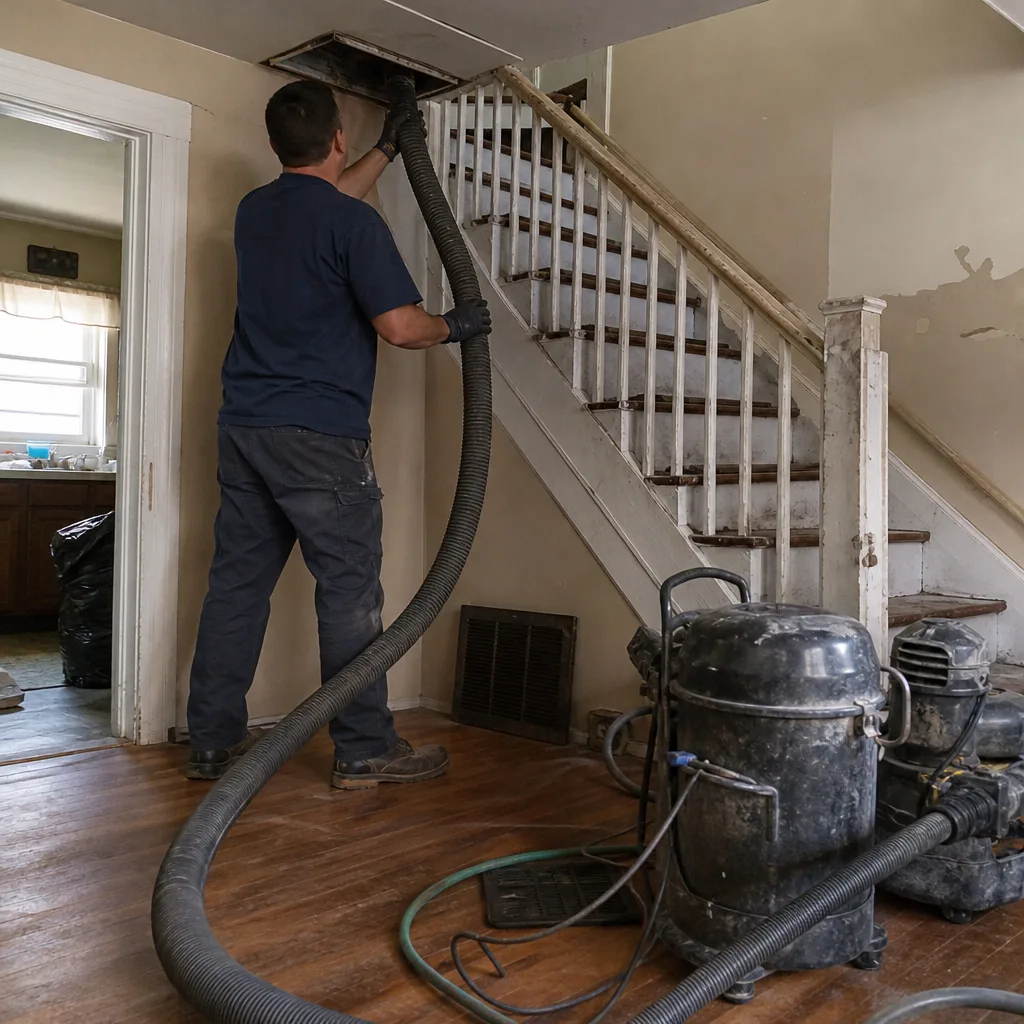 Before
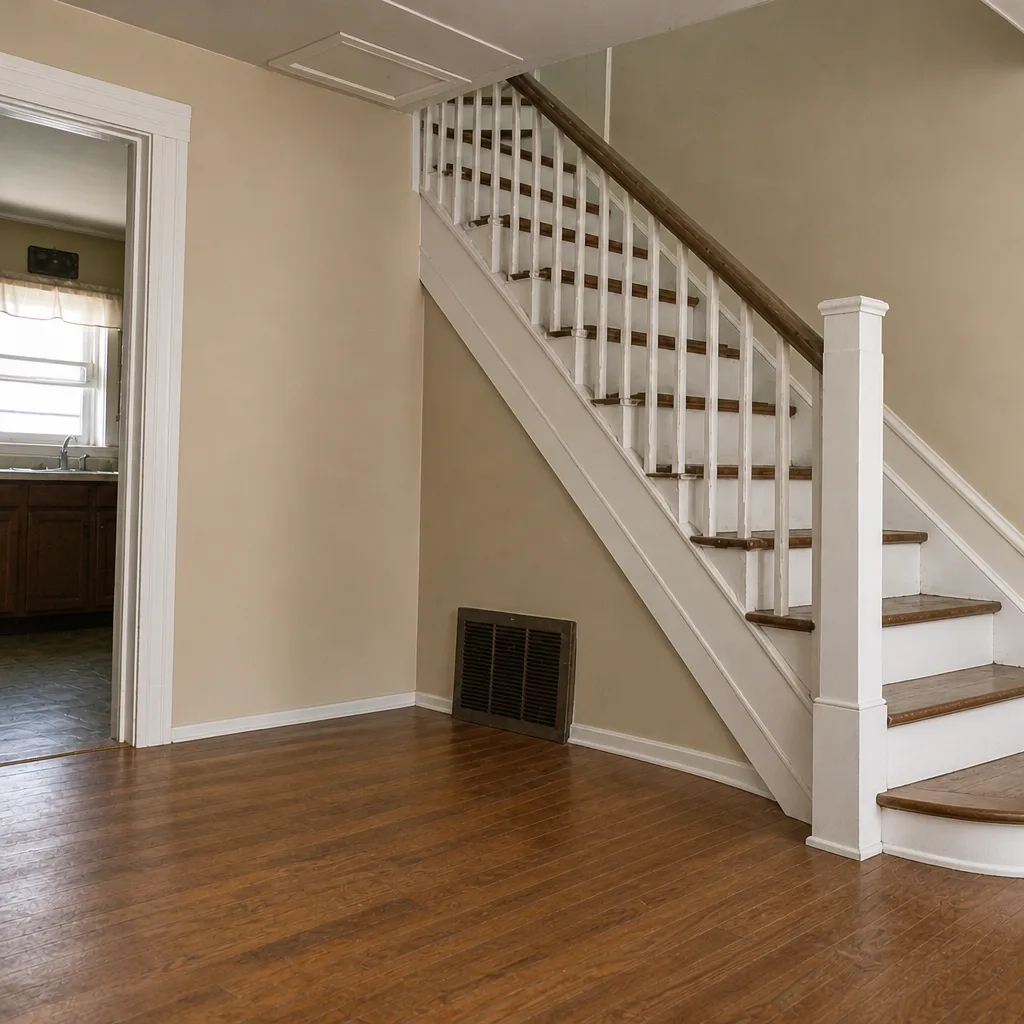 After
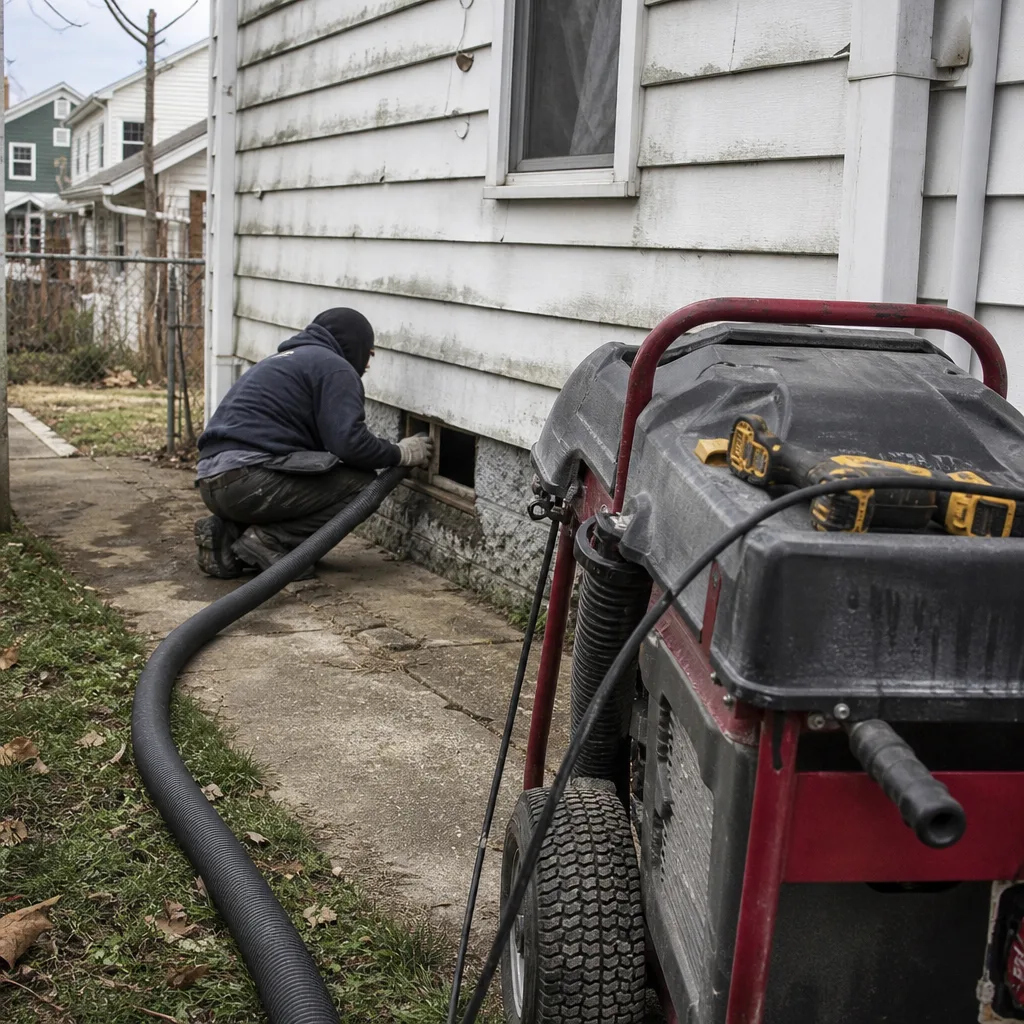 Before
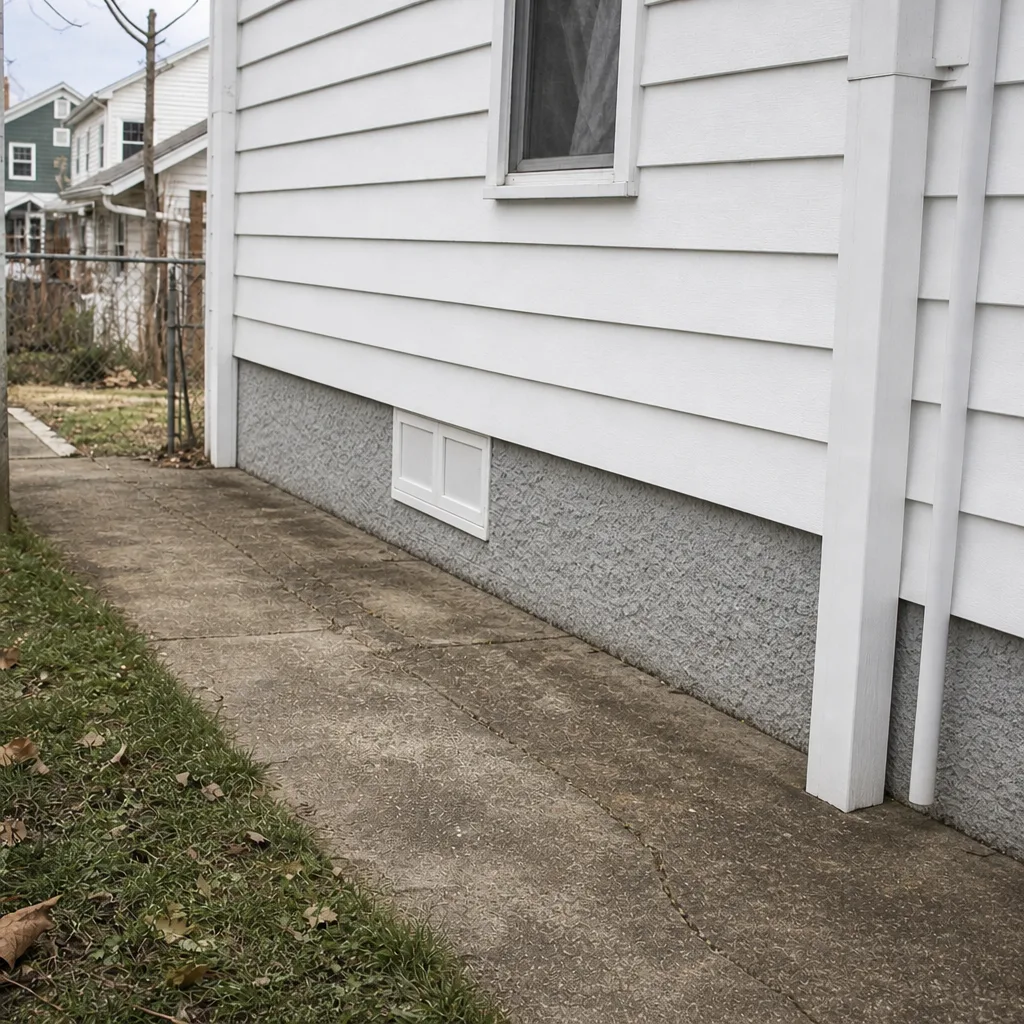 After
 Before
 After
Frequently Asked Questions
Once a year is the typical baseline in Frankford, timed to the fall pre-heating window, but the interval should follow what your maintenance log shows. A system that loads heavily each season needs annual cleaning; one that stays clean after a professional clean doesn’t need a yearly visit. Clean on evidence, not on the calendar. Call (866) 690-7933 for an exact quote – estimates are free.
Fall, before heating season starts, is the highest-value window in Frankford. It removes summer moisture residue and catches pest or joint problems before the furnace runs for months. Spring is the next good window, but only after the heating-season audit. Call (866) 690-7933 to book a fall clean – estimates are free.
Basement ducts sweat in summer because cold supply air passes through a cooler, more humid space, and warm moist air meets the cold duct surface. The fix starts with sealing and insulation, then a clean to remove any growth the moisture started. Call (866) 690-7933 for an assessment – estimates are free.
We quote one flat price per system, not per vent, and the written estimate sets the final price. That’s the standard in Frankford because per-vent pricing turns into an open-ended invoice. Before you book with anyone, ask for the flat system price and for before-and-after photos of your own ducts. Call (866) 690-7933 for an exact quote – estimates are free.
Before-and-after photos of your own duct interior are the proof. Any honest cleaning should give you those photos as a record. If a contractor won’t provide them, that’s your answer. Call (866) 690-7933 to schedule a clean with a documented before-and-after – estimates are free.
Cheap quotes are usually a surface pass with a consumer vacuum and no containment, which loosens debris and spreads it through the house. In Frankford, the standard to hold out for is a flat price per system agreed before work starts, contractor-grade equipment, and negative-air containment. Call (866) 690-7933 to compare – estimates are free.
The Bottom Line
Frankford’s four duct stress periods are real, and each one calls for a different action. Spring is the audit after heating season. Summer is condensation management, especially for basement systems. Fall is the inspection window and the highest-value cleaning time. Winter is the filter audit in a closed house. Pair those seasonal actions with a written 12-month log, and a contractor can actually plan around your system instead of guessing. Take it from a Frankford business: timing beats spring marketing cycles every time. The goal isn’t a cleaner duct – it’s air you can trust, season to season.
Contact
If your seasonal audit turned up something worth a professional look, we’re ready to help. Air Duct Cleaning Frankford handles full-system cleaning, sealing and repair, and dryer vent work with contractor-level equipment. That includes dryer vent cleaning for the fire-risk hazard most duct cleaners skip entirely. Call (866) 690-7933 for a free estimate. We answer 24/7. Fast dispatch from 7am to 7pm, Sunday through Friday.
Written by the team at Air Duct Cleaning Frankford.